
On the noon of 26 November, the 4th MoMo Academic Afternoon Tea activity of the School of Journalism and Communication, Nanjing University, was successfully held at the new café on the first floor of the school. With the theme "Practice and Exploration of Constructing an Independent Knowledge System for Chinese Journalism and Communication Research", this activity aimed to respond to the core proposition of "What kind of research should we conduct in this era?".
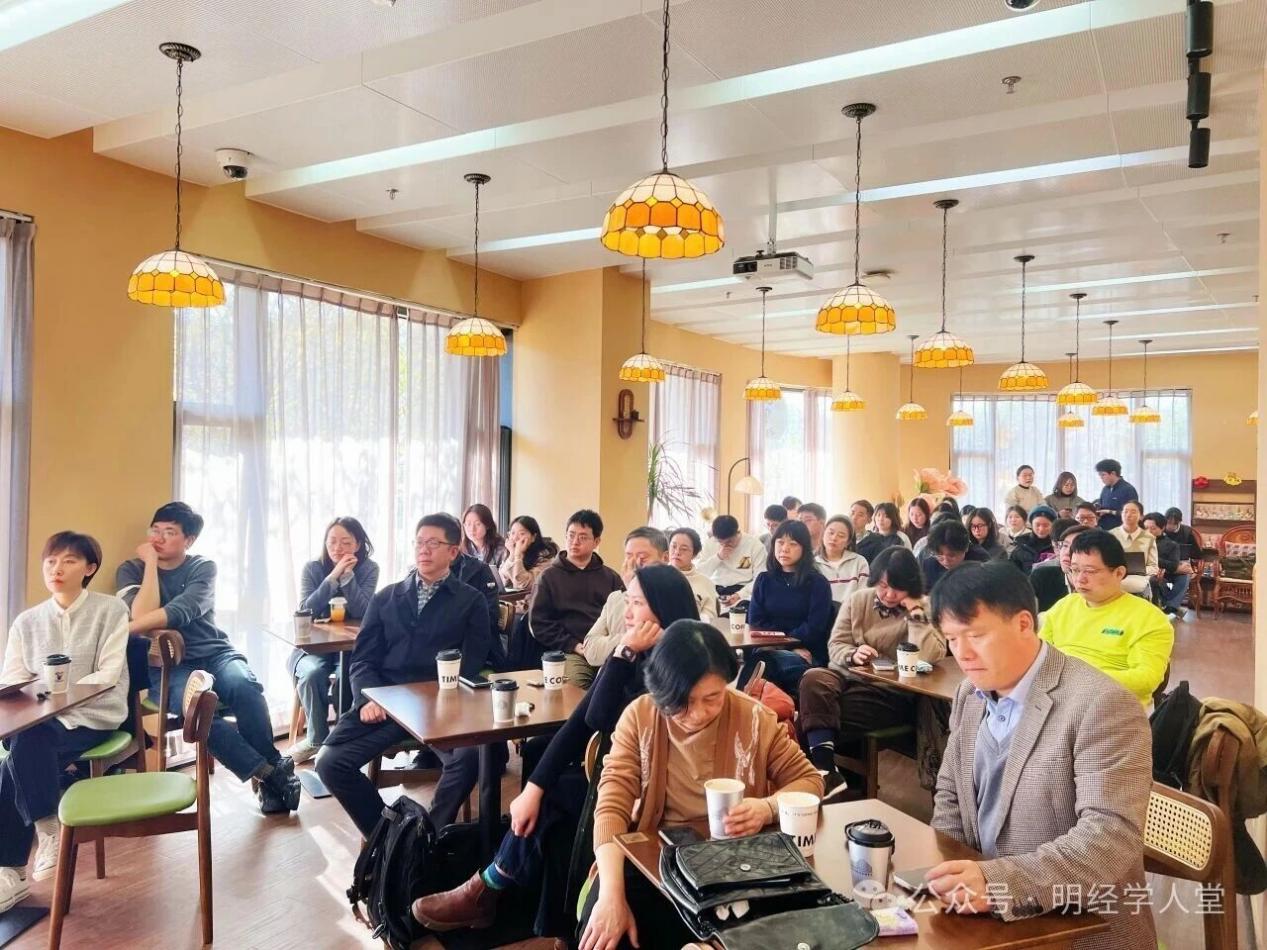
As an innovative academic event carefully built for the organized scientific research of the school, MoMo Academic Afternoon Tea has always been committed to building a platform for equal dialogue between teachers and students and free collision of ideas. Hosted by Professor Sun Xinru of our school, the activity featured a strong lineup of guests and a broad span of topics. It intended to share researchers' confusions and joys in a relaxed atmosphere through "overview-style" presentation and "topic-introducing" dialogue, exploring how NJU SJC scholars respond to the era's question of constructing an independent knowledge system with solid case studies and profound theories. Centering on the three main lines of "Present—History—Ideology", more than ten teachers delivered a feast of ideas integrating experience and theory based on their respective research fields.
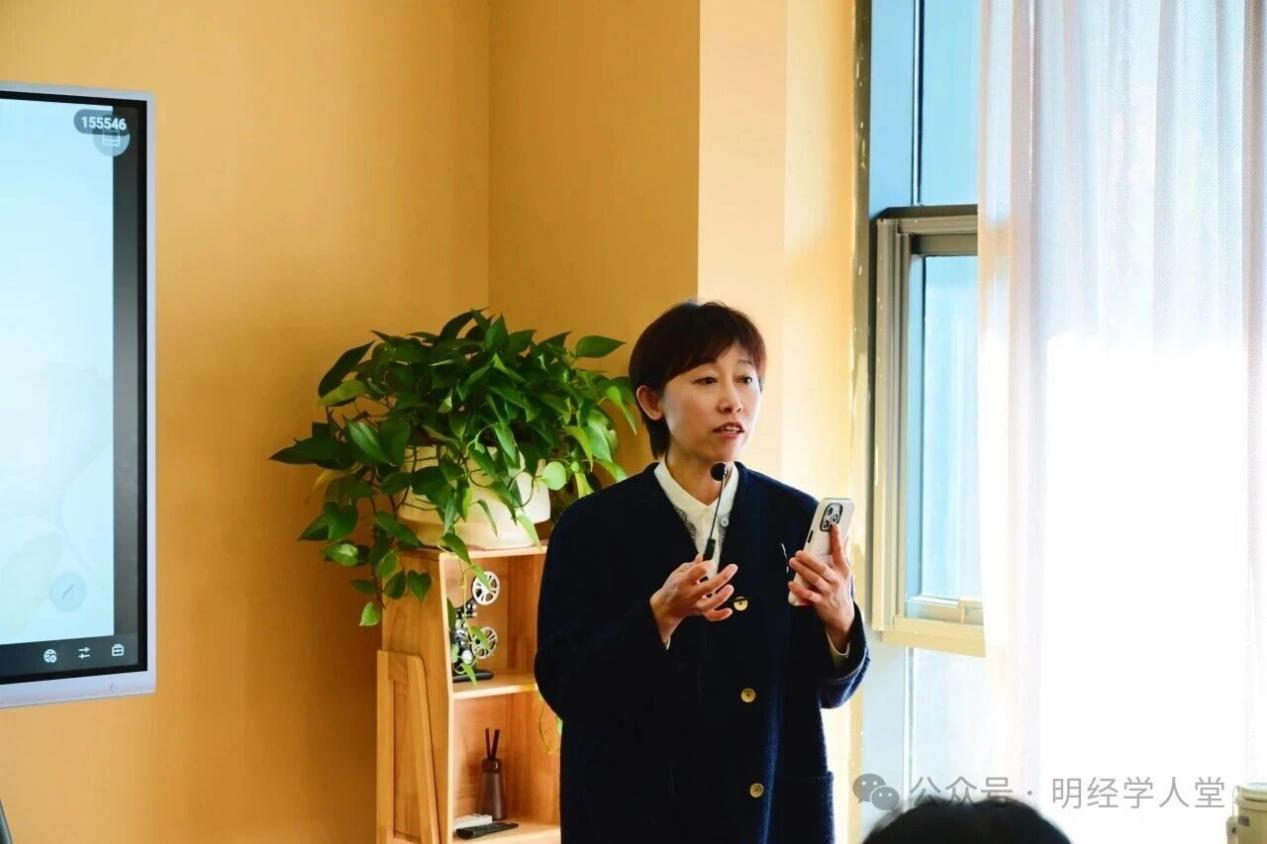
Keynote Speeches
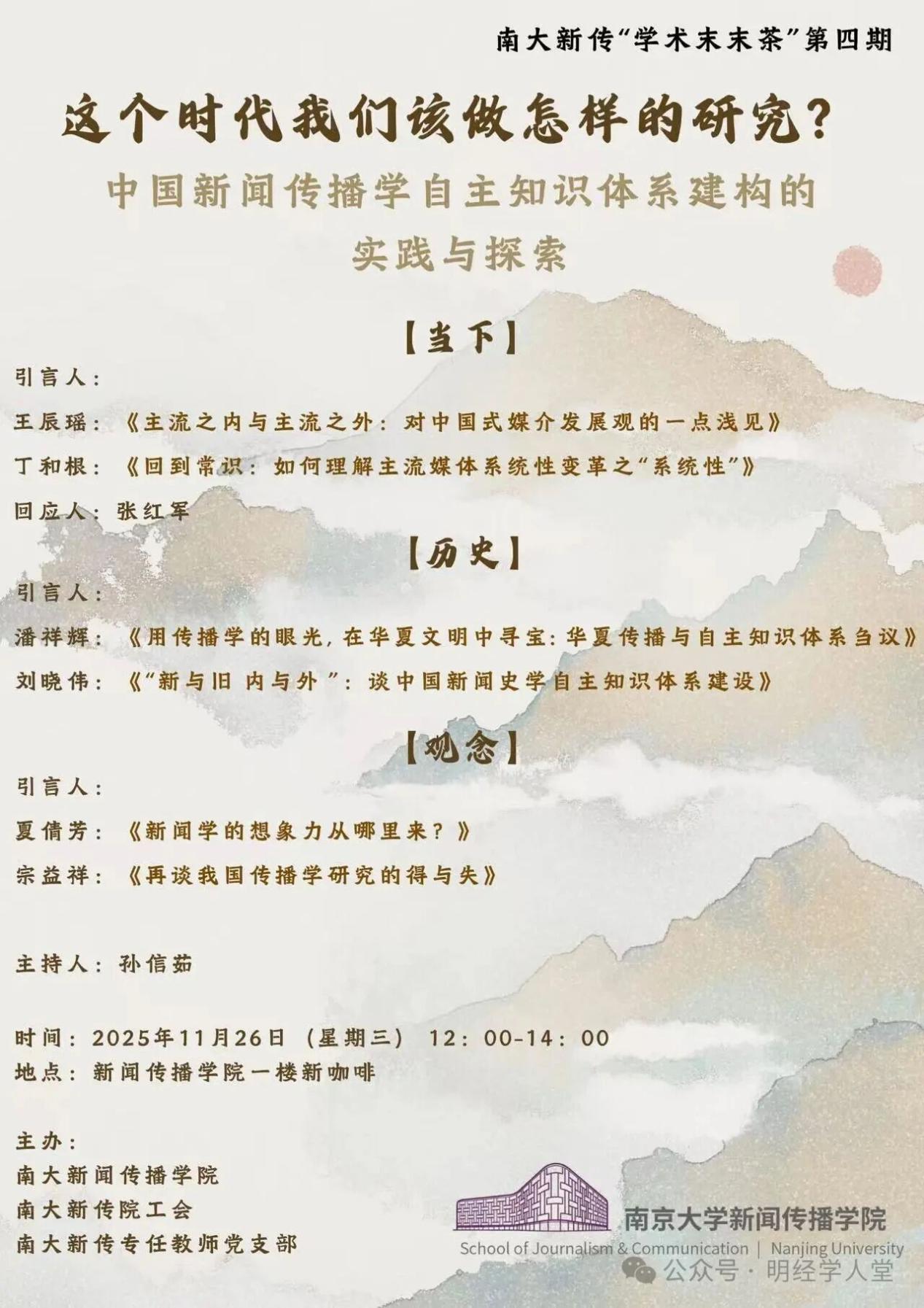
Present: Paths and Logic of Systematic Reform of Mainstream Media
Focusing on the systematic reform of mainstream media, scholars analyzed the structural dilemmas and breakthrough paths of media transformation from various dimensions.
Professor Wang Chenyao shared her experience in news innovation research over a decade, expanding her research perspective from "journalistic profession" to "news ecosystem", reinterpreting "mainstream media" in the Chinese context, and exploring innovative solutions to structural dilemmas.
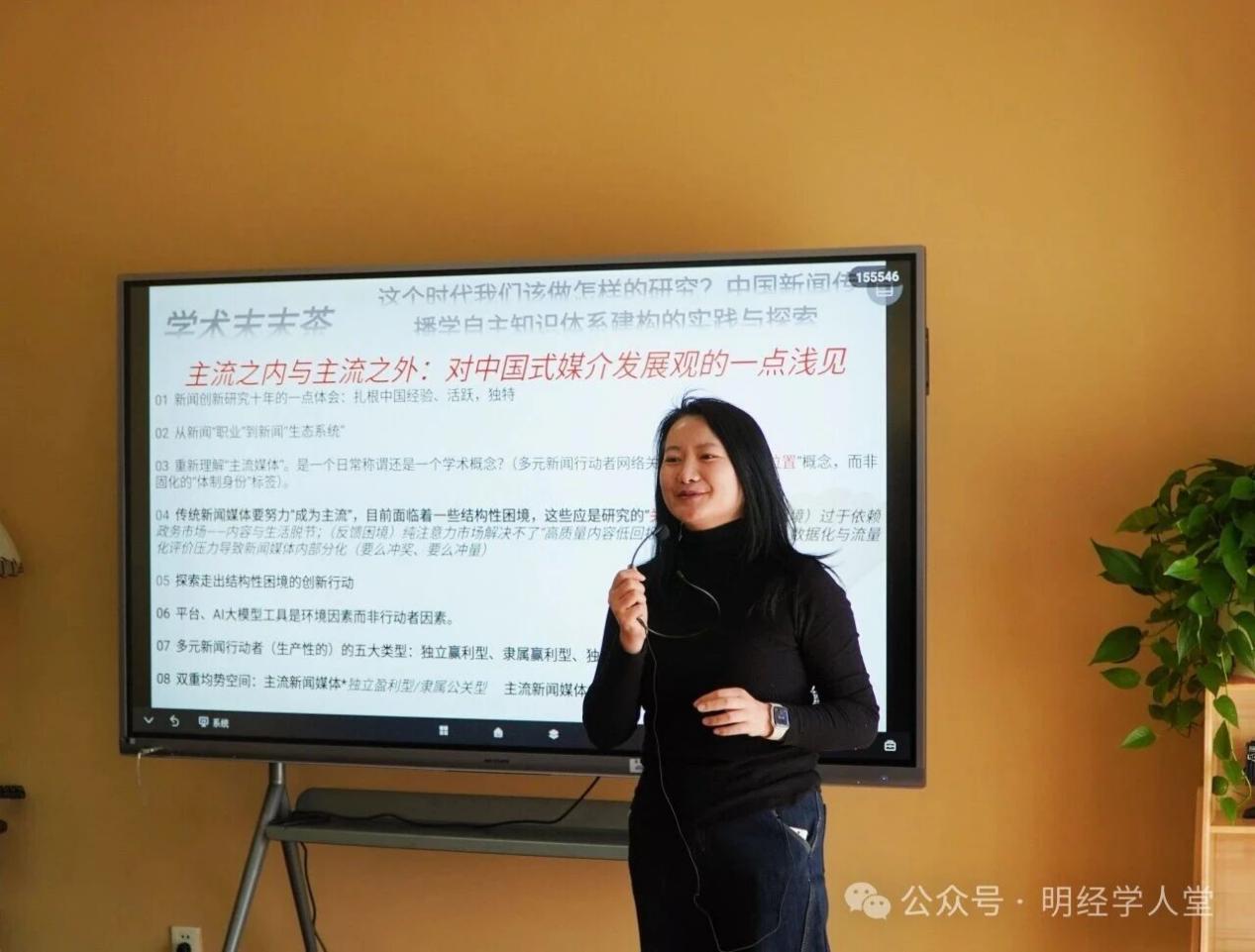
Professor Ding Hegen adopted a systems theory perspective, examining the systematic nature of reform at micro, meso, and macro levels from two dimensions, emphasizing the importance of supply-side reform, ideological emancipation, and building a unified national media market.
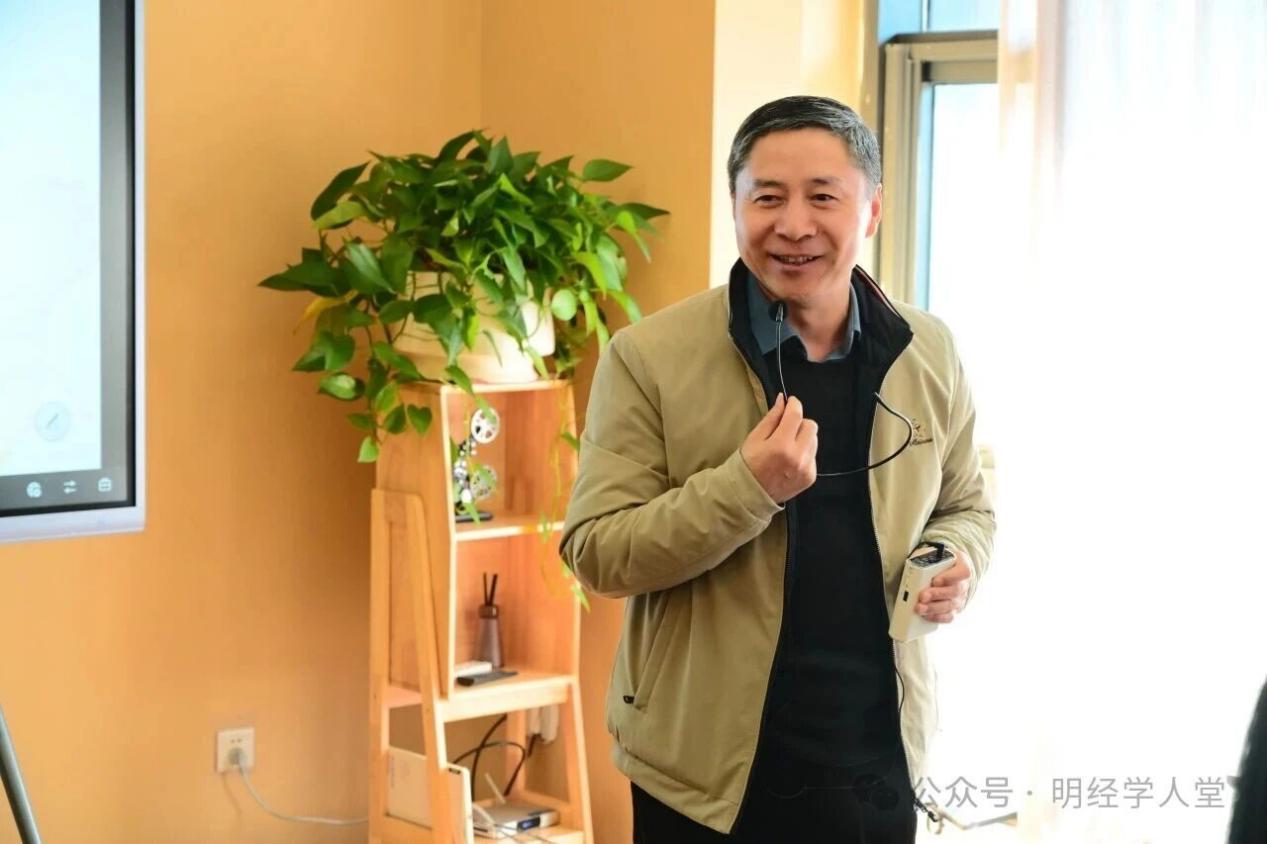
Dean Professor Zhang Hongjun supplemented from the practical level, analyzing the structural contradictions faced by mainstream media and the realistic dilemmas in organizational management and profit model exploration, summarizing the current situation as " running while crying".
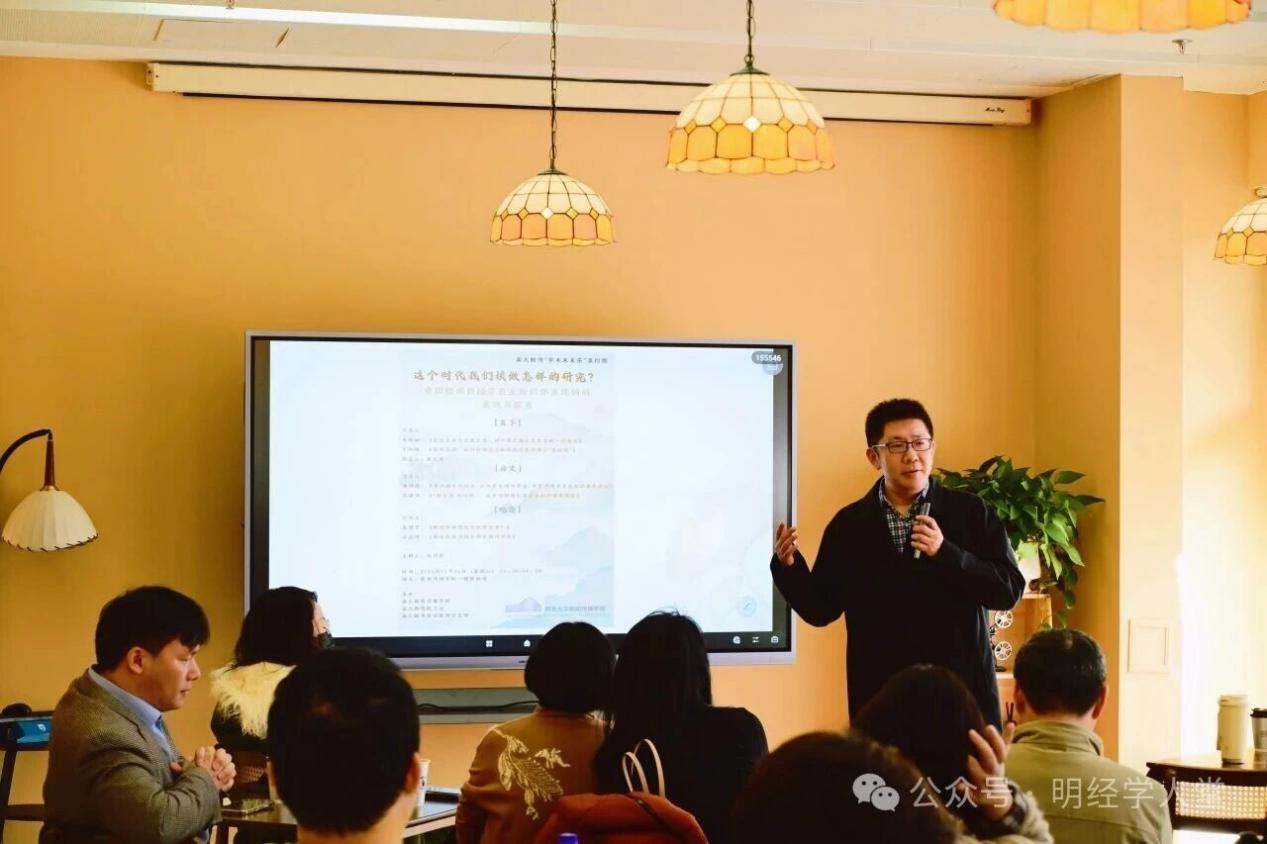
History: Tapping Disciplinary Resources in Local Contexts
This session aimed to trace the tradition of Chinese communication and the context of journalism history, laying a historical foundation for the independent knowledge system.
Professor Pan Xianghui emphasized that social science research must be rooted in China's unique cultural traditions and historical experiences, pointing out the fundamental differences between Chinese and Western communication logic and proposing the concept of "historical-commentary supervision".
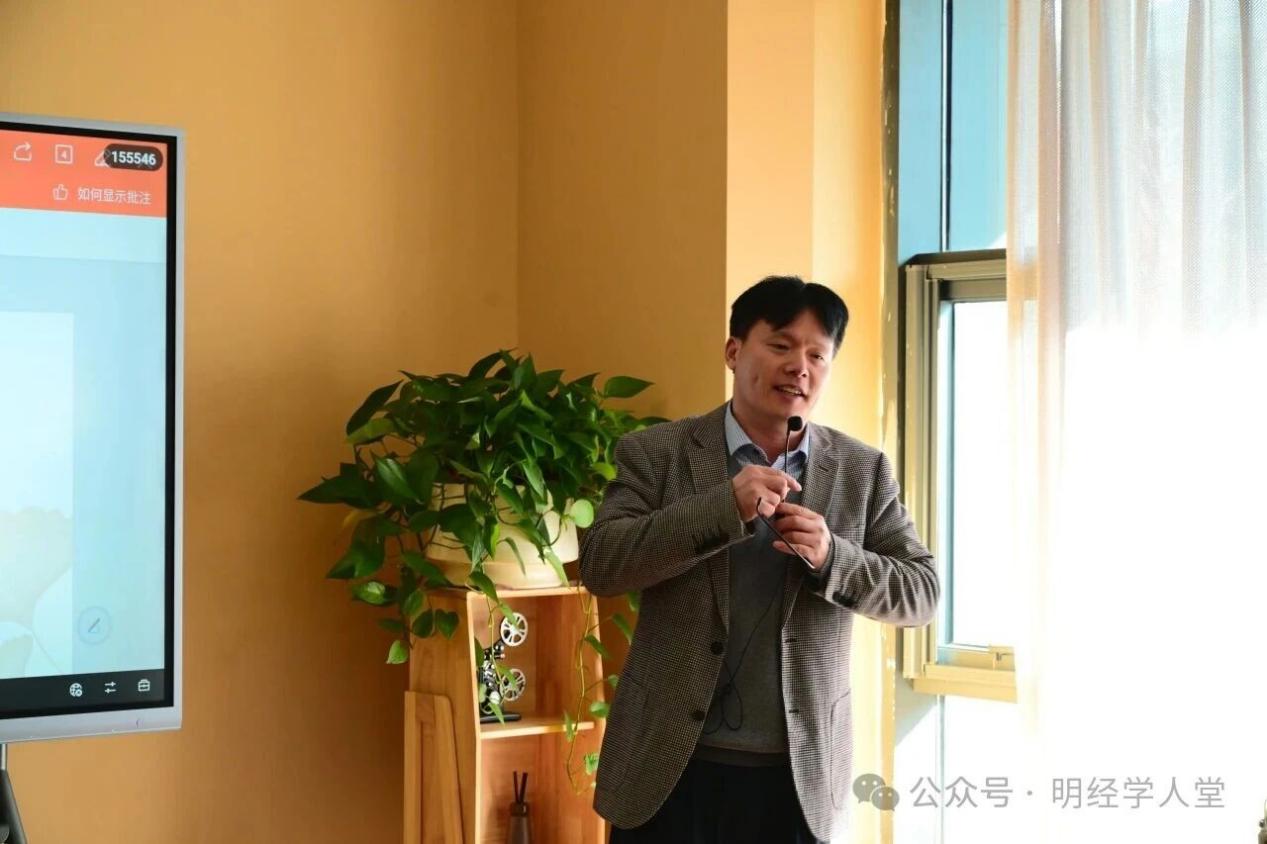
Professor Liu Xiaowei explored the innovative paths of journalism history research from the dialectical relationships of "new and old" and "internal and external", advocating adherence to disciplinary boundaries while absorbing international research results.
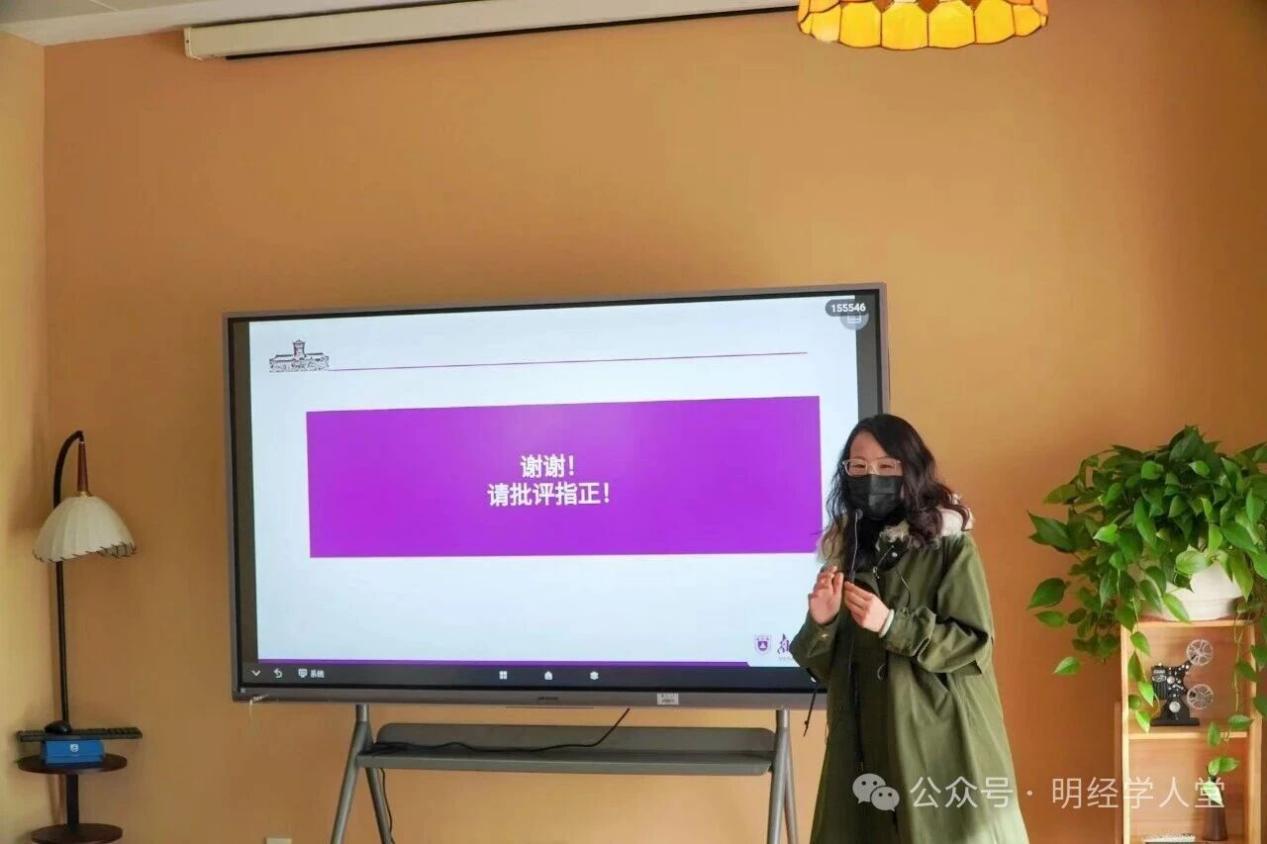
Ideology: Reshaping Disciplinary Imagination and Value Coordinates
Scholars reflected on the gains and losses of disciplinary development and its future from the theoretical origin.
Professor Xia Qianfang pointed out that the imagination of journalism comes from normative theory, advocating exploring the purpose and value of journalism to promote the positive development of news communication.
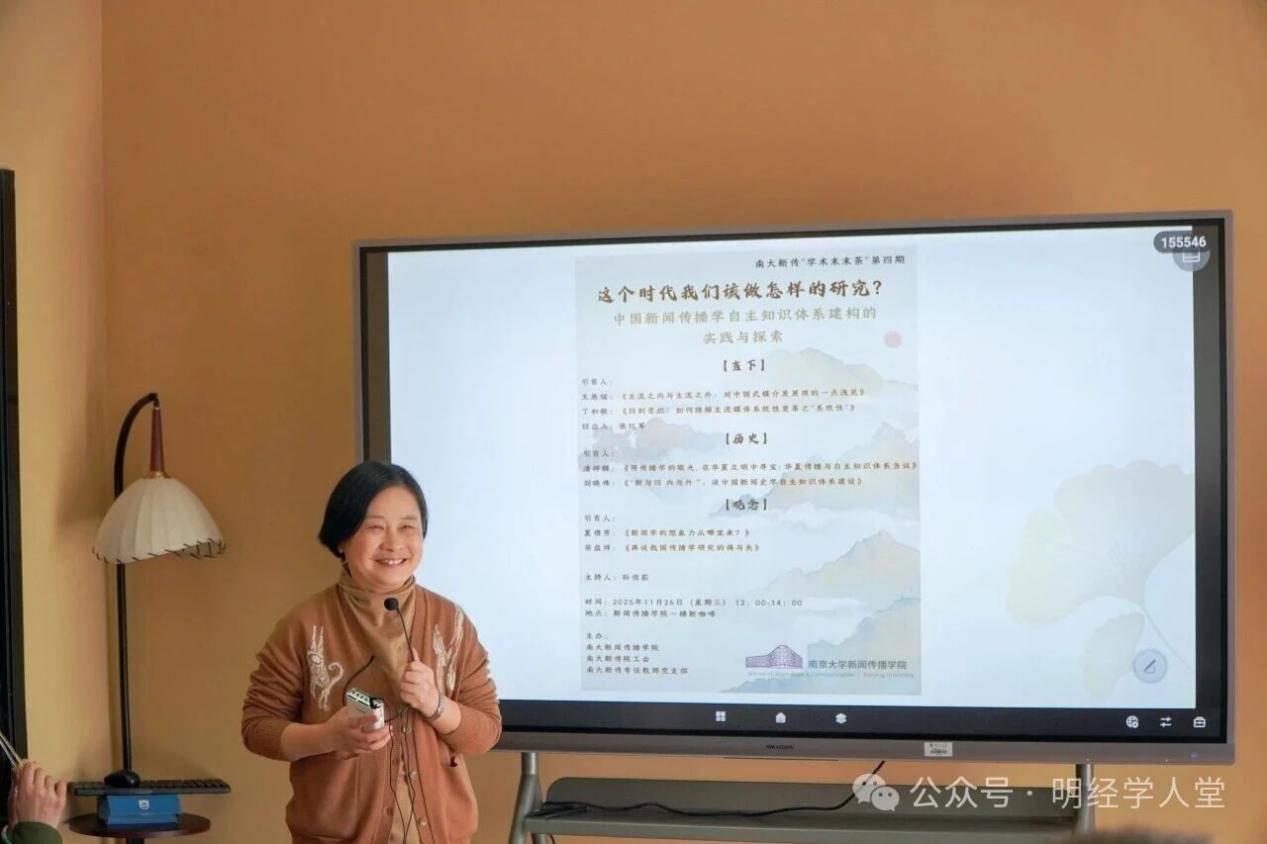
Associate Professor Zong Yixiang reviewed the 16-character guideline for communication studies ("systematically understand, analyze and study, critically absorb, and independently create"), reflecting on the gains and losses of domestic communication research and emphasizing the importance of "upholding integrity and innovation".
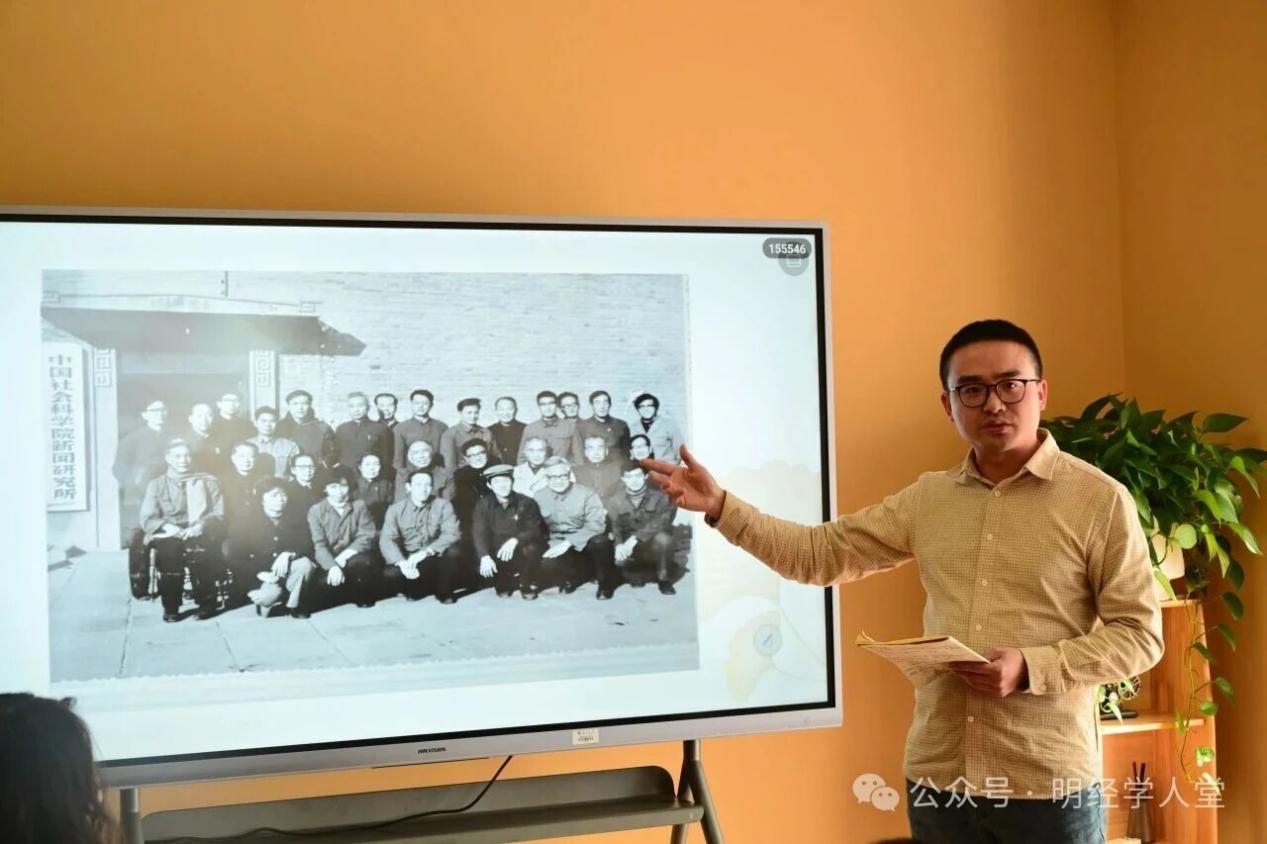
Roundtable Discussion
The roundtable discussion intensified the on-site dialogue, with teachers engaging in heated debate and sincere sharing regarding disciplinary community building and specific research approaches.
Professor Zhu Lili raised questions about disciplinary boundaries and imagination, which was responded to by Professor Xia Qianfang, who emphasized that disciplinary boundaries are determined by disciplinary perspectives and problem awareness.
Dr. Ma Wen echoed the issue of disciplinary generalization and suggested drawing inspiration from academic history.
Aiming at how students can approach grand topics like "systematic reform of mainstream media", faculties gave practical suggestions such as starting from the ought-to-be level, conducting field research without being confined to it, and focusing on meso-level mechanism issues.
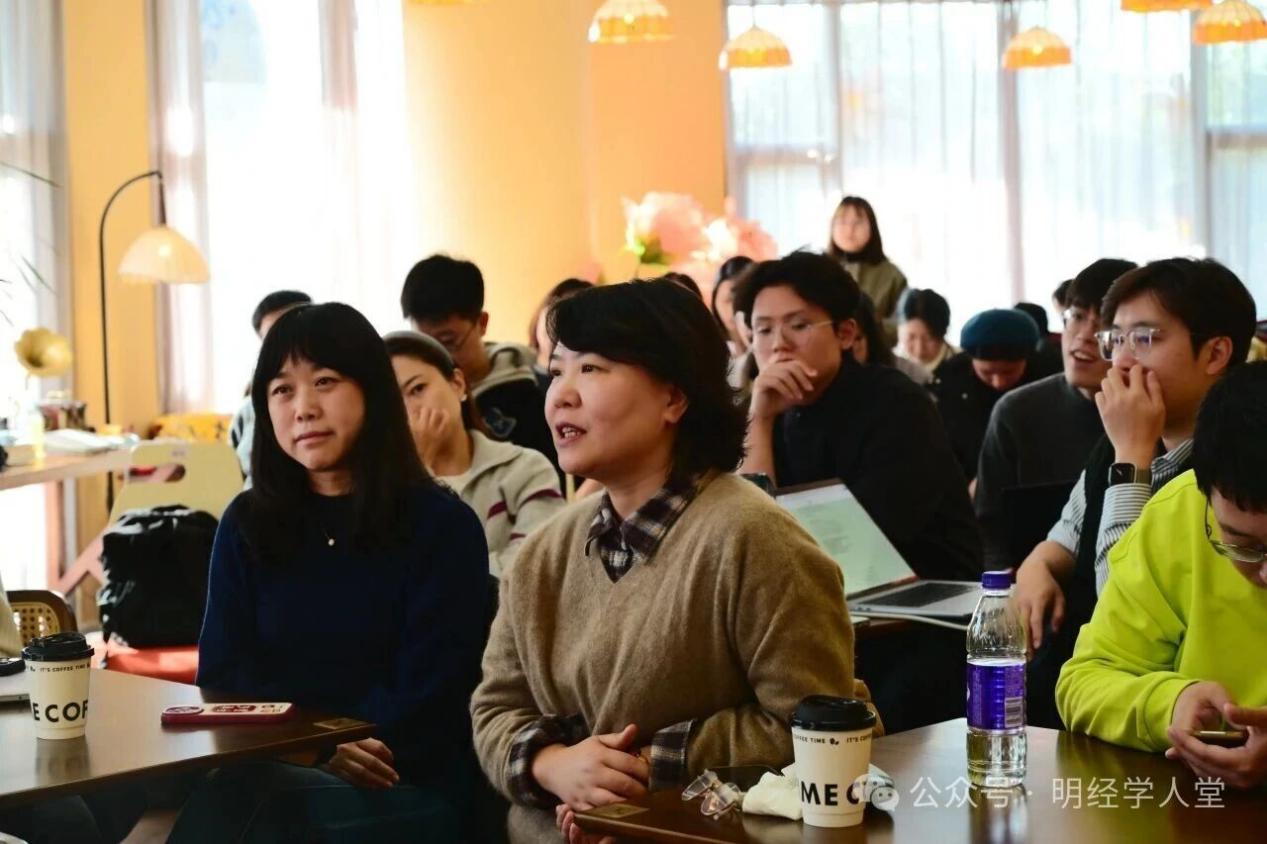
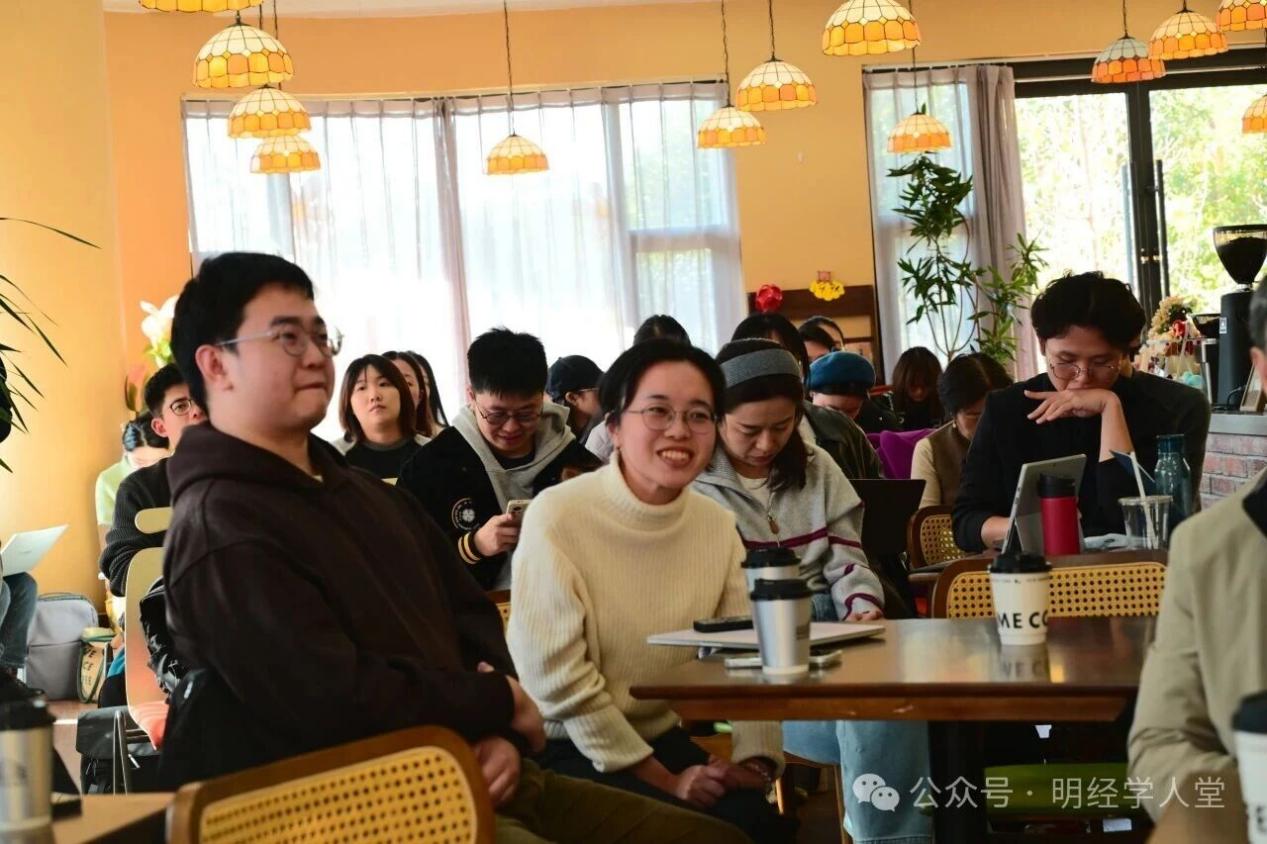
The 4th MoMo Academic Afternoon Tea came to a successful end with warm applause. From current institutional changes and historical context to theoretical reconstruction of concepts, scholars of SJC jointly outlined the possible paths for constructing an independent knowledge system for Chinese journalism and communication Research, with a sincere, open, and critical attitude.