
On 9 November, the 2025 Annual Conference of Jiangsu Provincial Society of Journalism and Communication was held in Huai'an. With the theme "Exchange·Mutual Learning·Transformation: Modernization of National Communication Capacity and Innovation of Regional Communication Ecology", the conference gathered more than 100 experts and scholars from the journalism and communication field across the country to discuss issues and solutions amid global changes and the transformation of communication systems.
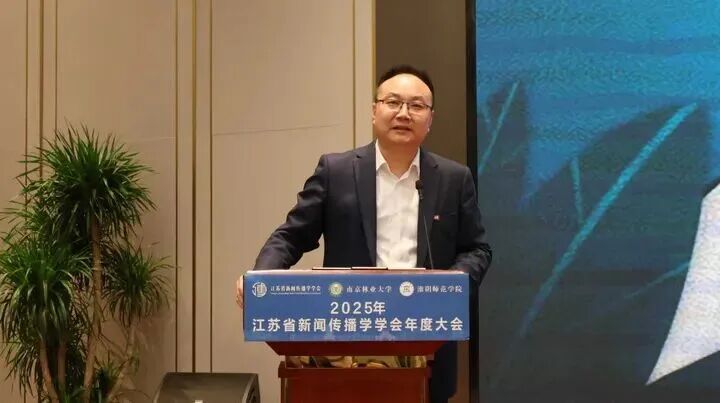
The conference was sponsored by Jiangsu Provincial Society of Journalism and Communication and co-organized by the School of Humanities and Social Sciences of Nanjing Forestry University and the School of Journalism and Communication of Huaiyin Normal University.
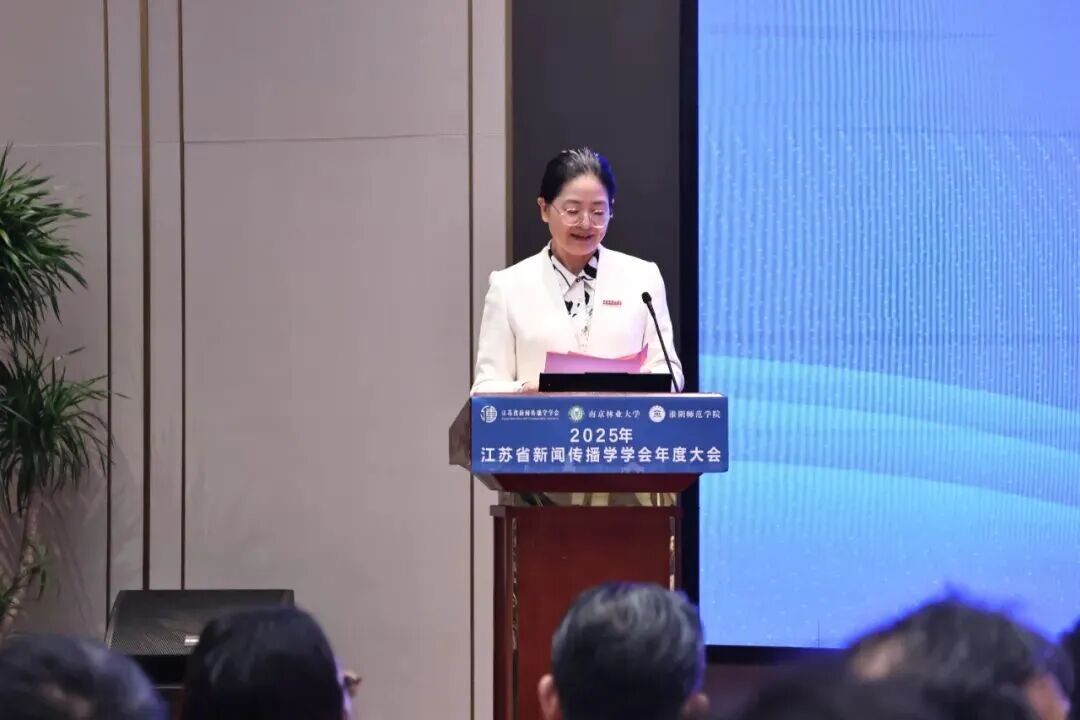
The opening ceremony was hosted by Ms.Zhang Xiaoqin, Member of the Standing Committee of the Party Committee and Vice President of Nanjing Forestry University.
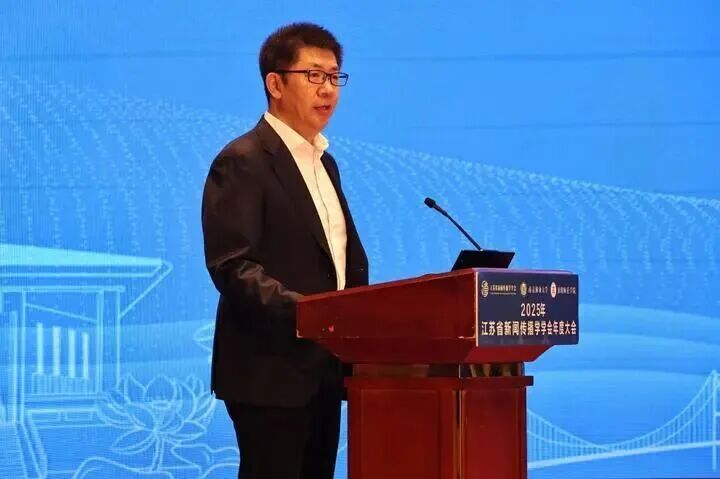
In his opening speech, Mr. Zhang Hongjun, President of Jiangsu Provincial Society of Journalism and Communication, noted that the world is undergoing accelerated changes, and the communication field is experiencing profound transformations—generative AI and other new technologies are reshaping global communication forms and public opinion ecology, while regional communication ecology shows distinct differentiated development. He advocated strengthening exchange to break disciplinary and regional barriers, promoting collaboration between academia and industry through mutual learning, and focusing on transformation to achieve core goals. He called on peers to contribute to national strategies such as building an international communication discourse system, conduct in-depth research on practical issues in Jiangsu's media integration and digital cultural construction, and cultivate reserve talents with national feelings, innovation capabilities and international perspectives.
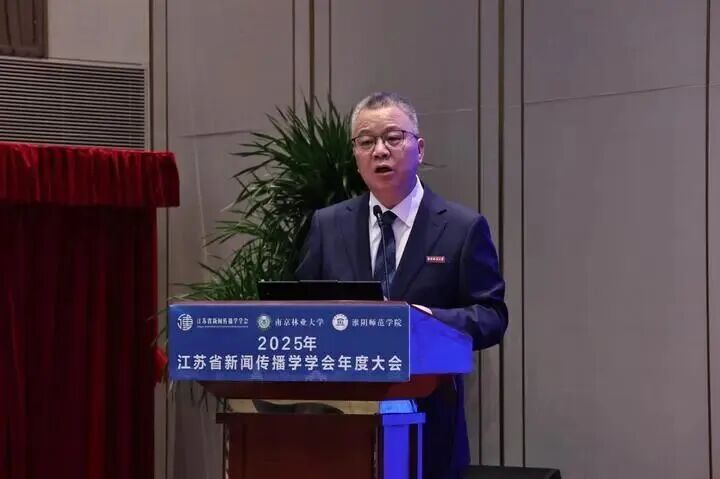
Mr.Yong Qiang, President of Nanjing Forestry University, introduced the university's efforts to integrate journalism and communication disciplines with ecological civilization construction based on its forestry advantages, striving to tell forestry stories and form a development pattern where discipline construction aligns with school characteristics.
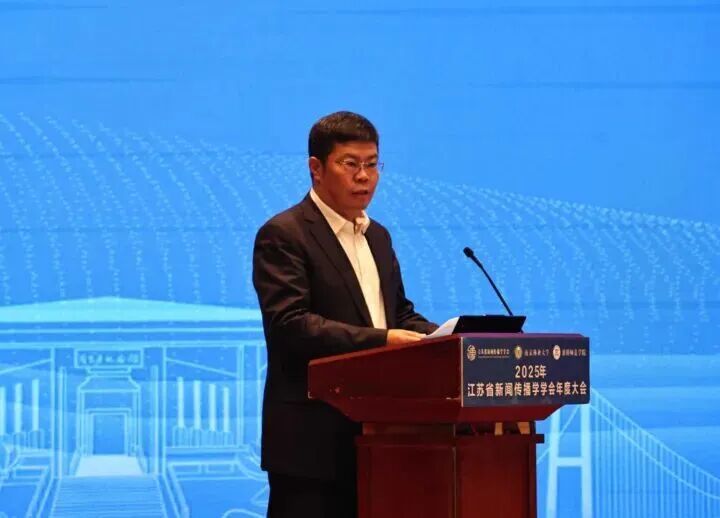
Mr.Zhao Yijiang, Secretary of the Party Committee of Huaiyin Normal University, highlighted the university's four core strengths: normal education covering all disciplines and stages of basic education, contributions to regional teacher training, and landmark achievements in carrying forward Zhou Enlai's spirit and promoting Grand Canal cultural construction.
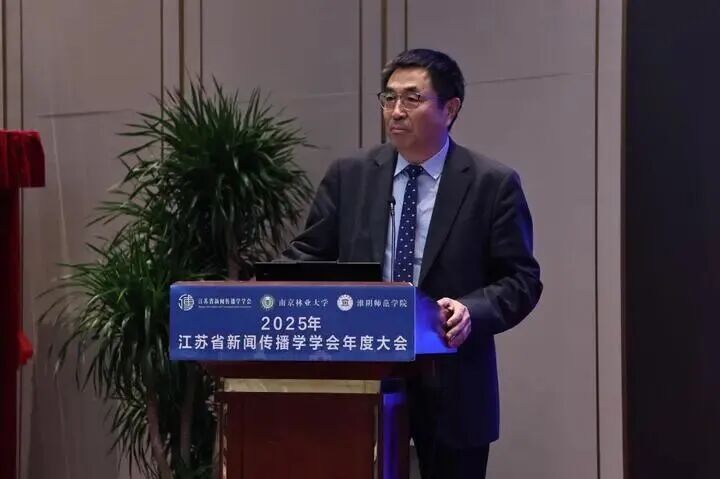
Mr. Zhang Xinke, Secretary of the Party Leadership Group and Executive Vice Chairman of Jiangsu Federation of Social Sciences, shared insights on short video communication and his own creation experience, emphasizing that researchers should dig for "first-hand materials" by visiting archives and grassroots communities.
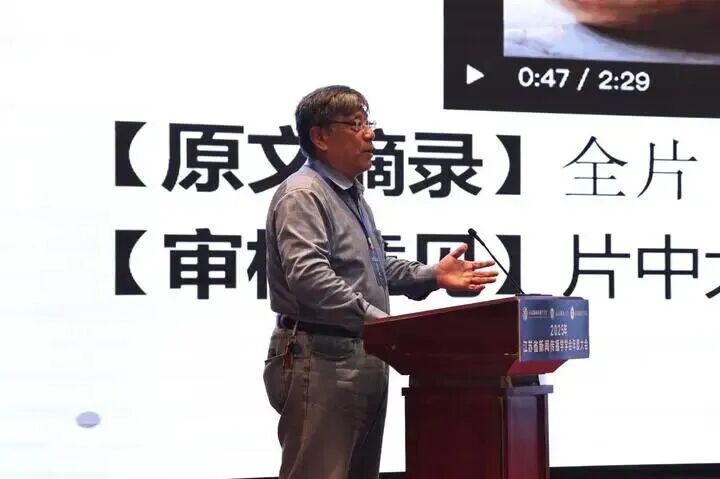

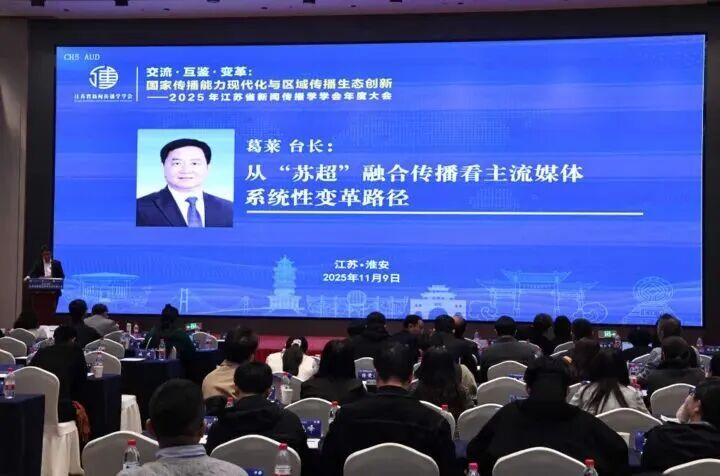
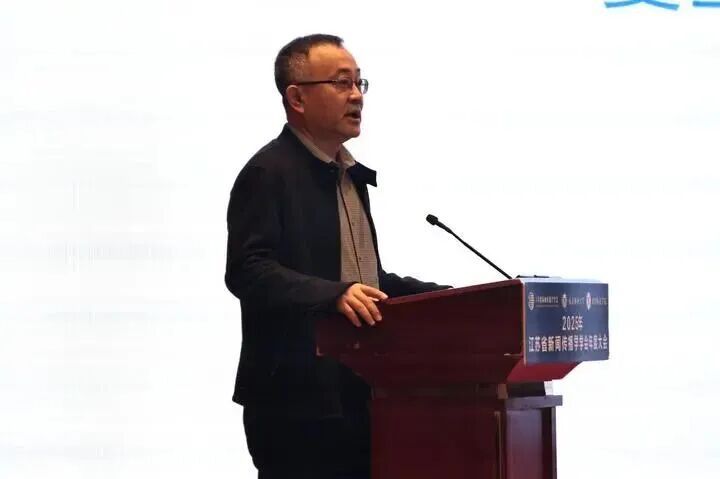
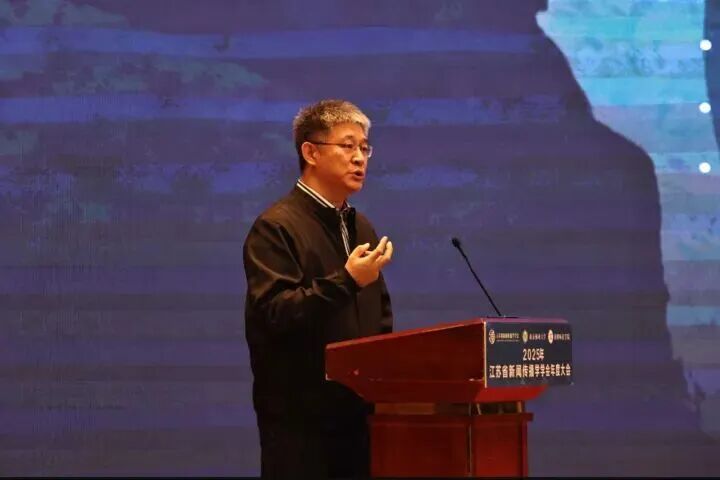
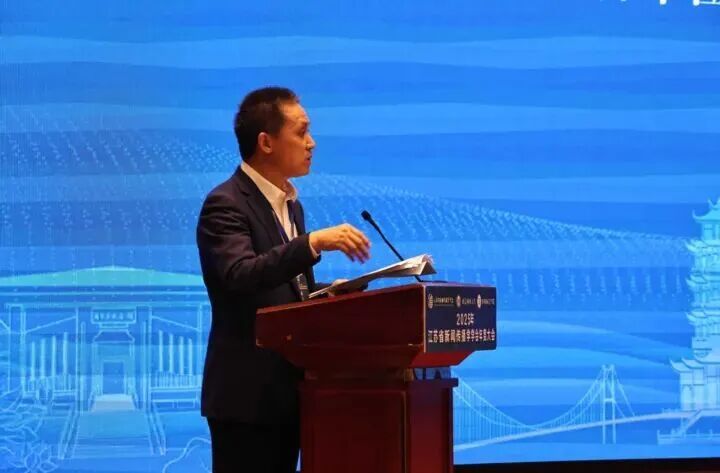
The keynote speech session was hosted by Mr. Zhang Hongjun, who also serves as Executive Dean of the School of Journalism and Communication of Nanjing University. Seven distinguished guests delivered themed shares, including Prof. Tang Xujun (former Director of the Institute of Journalism and Communication, Chinese Academy of Social Sciences) on embracing advanced technology while upholding truth; Prof. Hu Zhengrong (current Director of the institute) on local and area studies-based international communication; Mr. Ge Lai (Party Secretary and President of Jiangsu Broadcasting Corporation) on mainstream media's systematic transformation through "Su Chao" integrated communication; Prof. Zhang Taofu (Dean of Fudan University's School of Journalism) on the multi-source heterogeneous nature of Chinese journalism and communication knowledge; Prof. Zhang Yuqiang (Professor of Communication University of China) on policy tensions in local international communication capacity building; Prof. Zhang Mingxin (Dean of Huazhong University of Science and Technology's School of Journalism and Information Communication) on implementing the "one country, one strategy" concept in international communication; and Prof. Chen Xiangyu (Dean of Nanjing Forestry University's School of Humanities and Social Sciences) on the paradigm shift of ecological civilization communication.
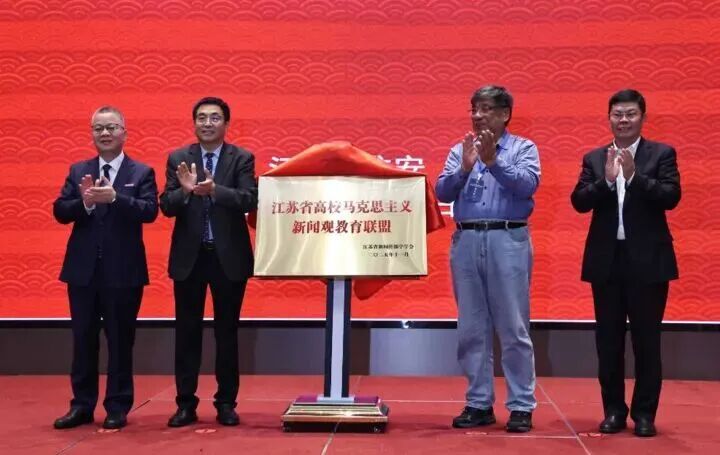
The opening ceremony also witnessed the unveiling of the Marxist Journalism View Education Alliance for Colleges and Universities in Jiangsu Province. Additionally, six parallel sub-forums were set up focusing on hot topics such as "Su Chao" as an innovative regional communication sample, synergy between national and regional communication systems, mainstream media transformation in the digital age, and urban brand communication. Experts and media practitioners conducted in-depth discussions.
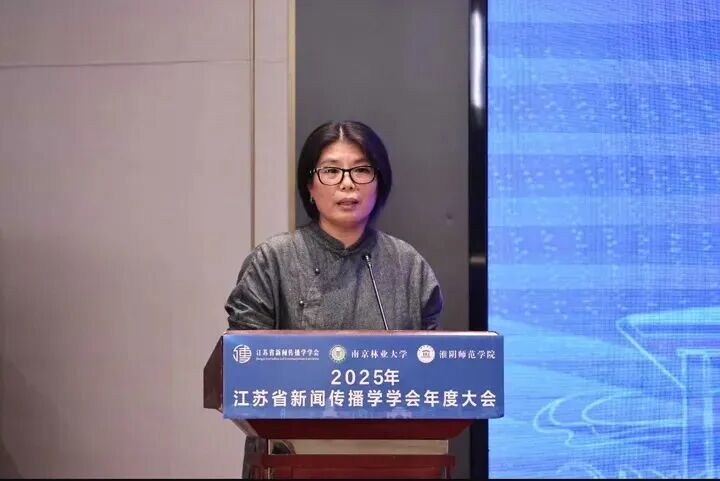
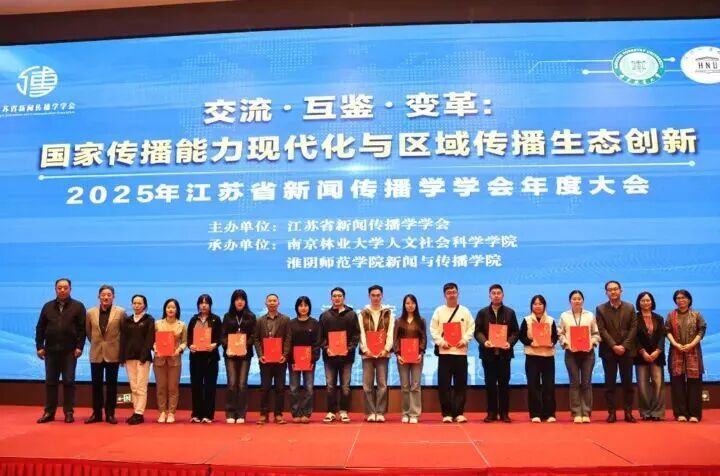
At the closing ceremony, Ms. Zhao Yunfang, Vice President of Jiangsu Provincial Society of Journalism and Communication, noted the society's tradition of holding annual conferences in media groups and universities since its establishment three years ago, advocating for broader interdisciplinary integration. She raised questions about the mental qualities needed in the era of great changes and encouraged young scholars to "take themselves as a method" to integrate into the times while maintaining spiritual resilience. Outstanding papers of the conference were also promoted.