
On 25 October, 2025, the 12th Forum on Political Communication and Social Development and the 9th Graduate Forum on Politics and Communication were successfully held at the Zijin Building, Nanjing University (NJU). Centered on the theme "Towards an Intelligent Society: Political Communication and Human Modernization," the forum was jointly organized by Nanjing University and the University of Chinese Academy of Social Sciences (UCAS), with academic units including the School of Journalism and Communication, NJU and the Center for Political Communication Research, UCAS, serving as hosts.
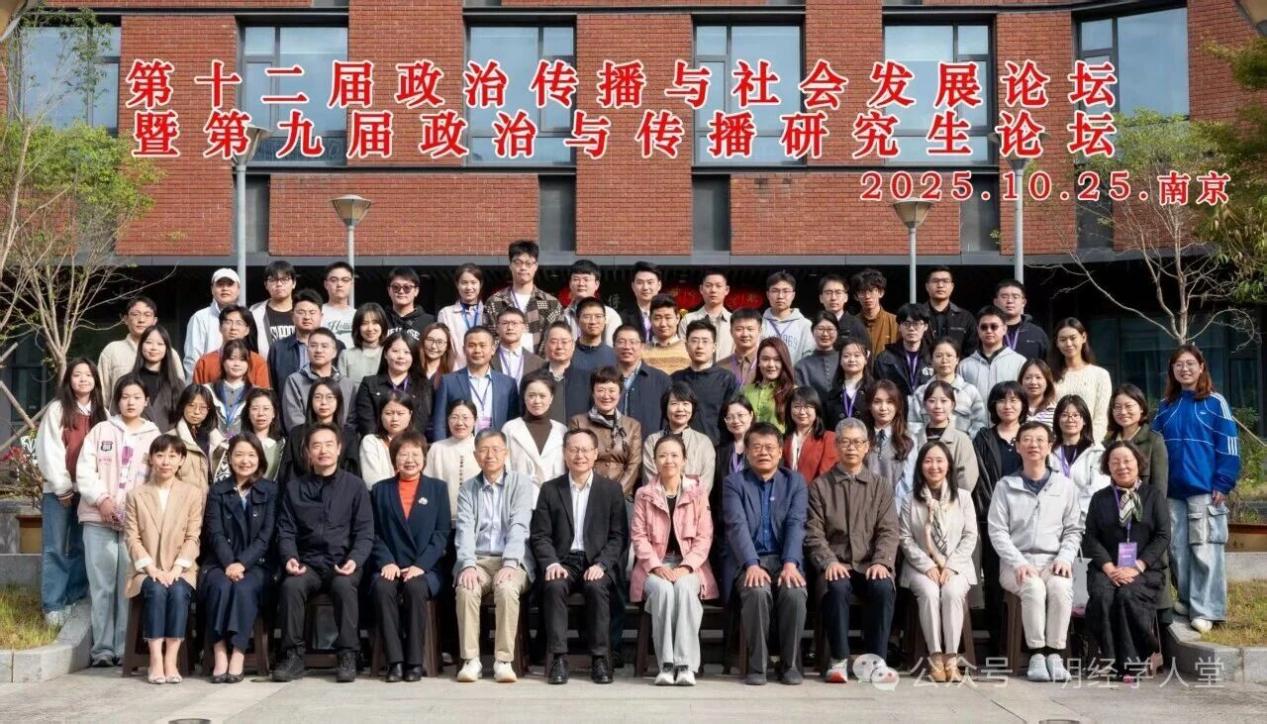
Scholars and graduate students from 37 universities across the country gathered for this one-day event. The morning featured the opening ceremony and keynote speeches, while the afternoon was dedicated to parallel scholar and graduate student sub-forums. Discussions covered cutting-edge directions such as intelligent technology, communication ethics, human modernization, and paradigm shifts in political communication research driven by technology.
Opening Ceremony
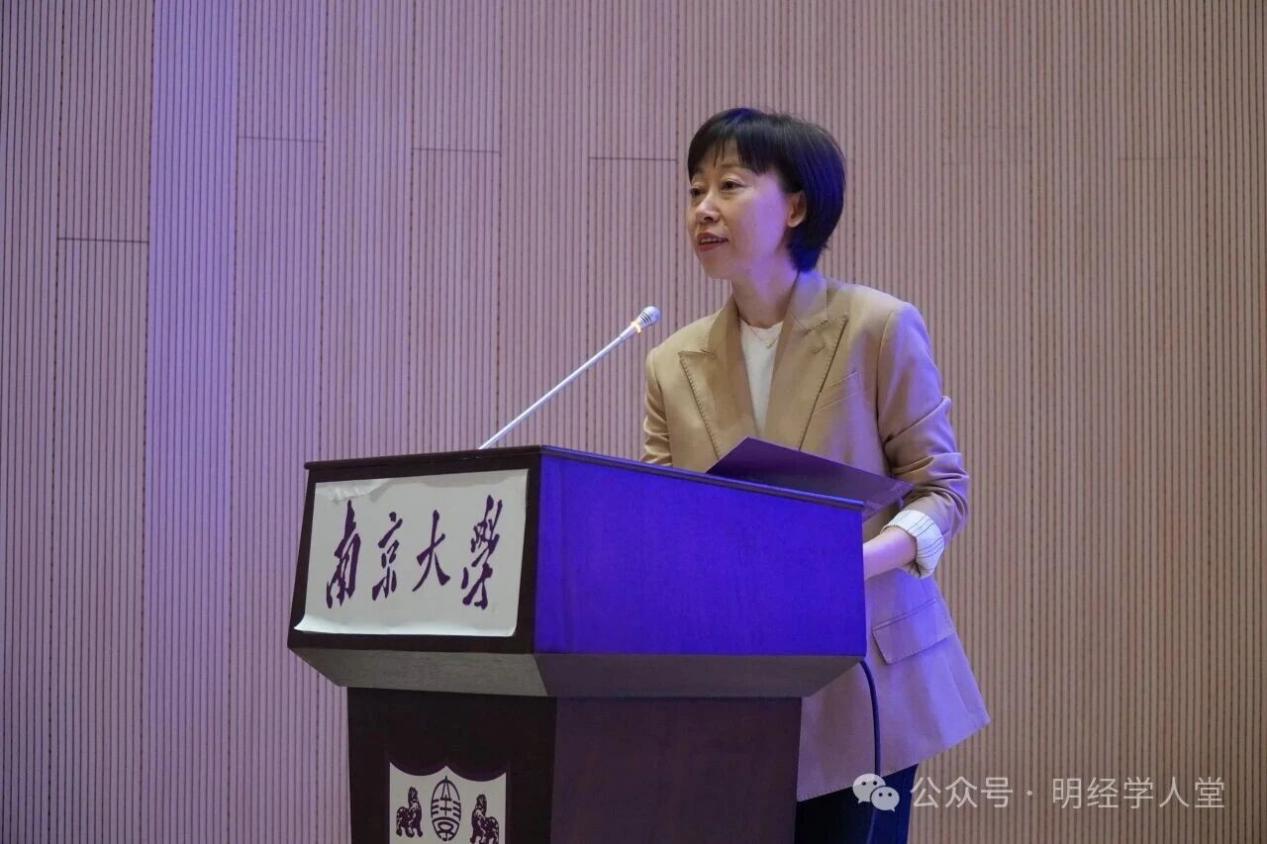
The opening ceremony was presided over by Professor Sun Xinru, Vice Dean of the NJU School of Journalism and Communication. She extended a warm welcome to all attendees and expressed gratitude to the organizing team.
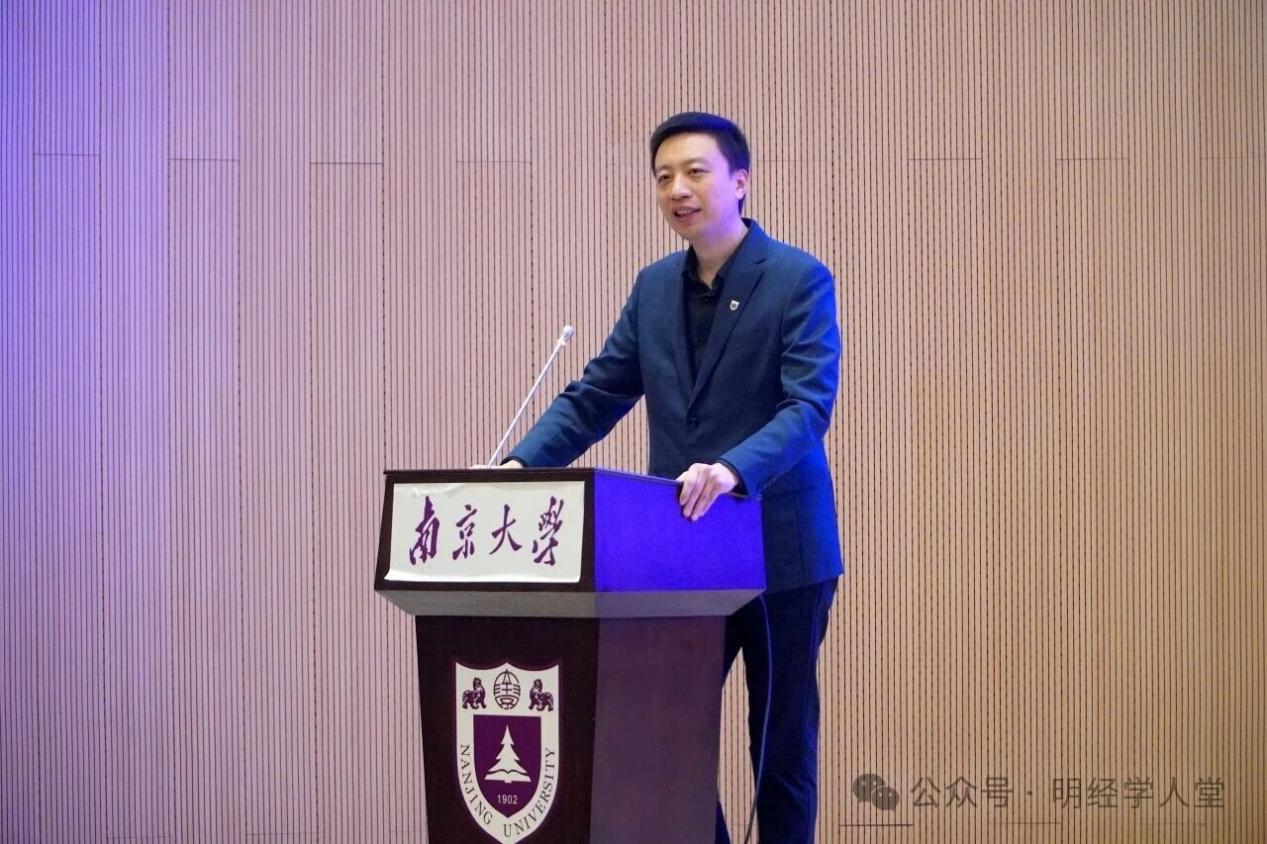
Dr. Wen Yu, Member of the Standing Committee of the CPC Nanjing University Committee, Director of the Publicity Department of the CPC Nanjing University Committee and Director of United Front Work Department of the CPC NJU Committee, delivered a speech. He commended the forum's forward-looking theme and shared NJU's practical achievements in integrating AI with humanities, emphasizing the university's mission to enrich the human spirit.
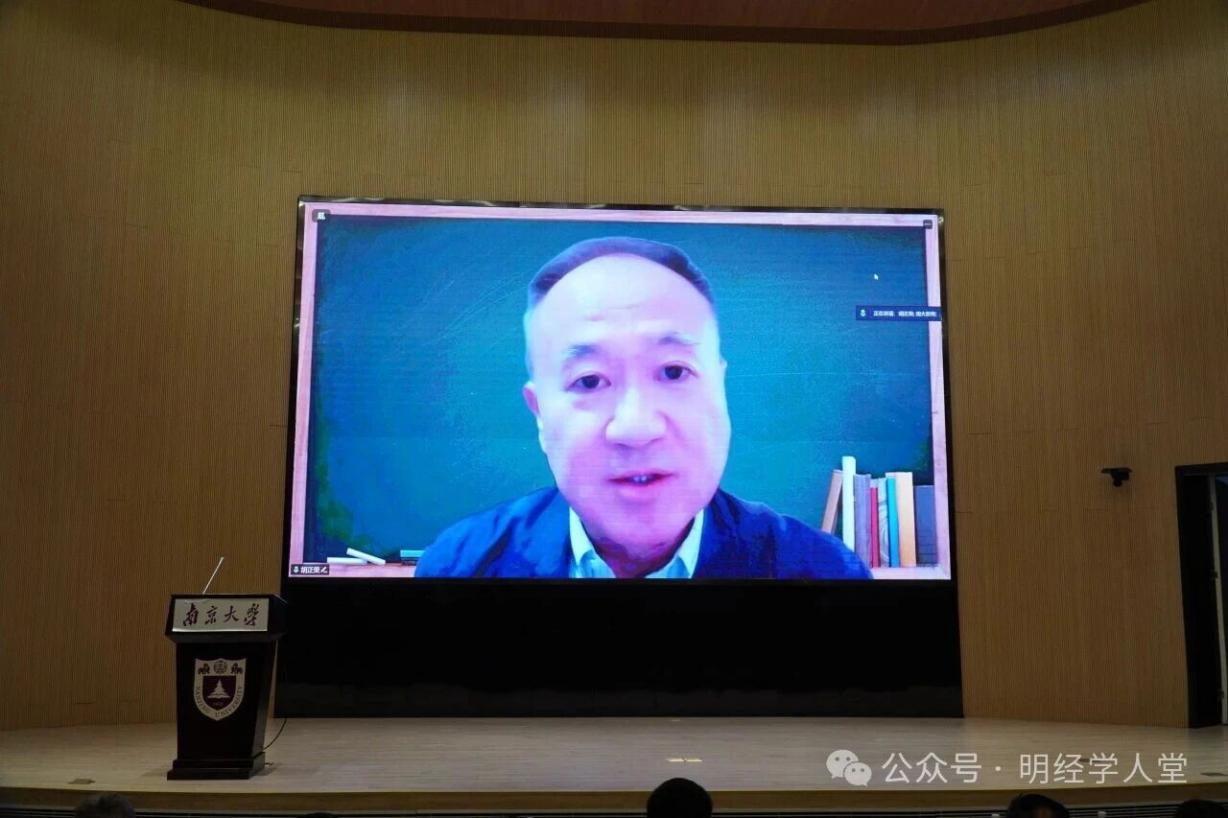
Professor Hu Zhengrong, Director of the Institute of Journalism and Communication at the Chinese Academy of Social Sciences and Dean of the UCAS School of Journalism and Communication, addressed the forum via video. He highlighted the alignment of the forum's focus on technology and modernization with national development priorities, noting the central role of politics and technology in the modernization process.
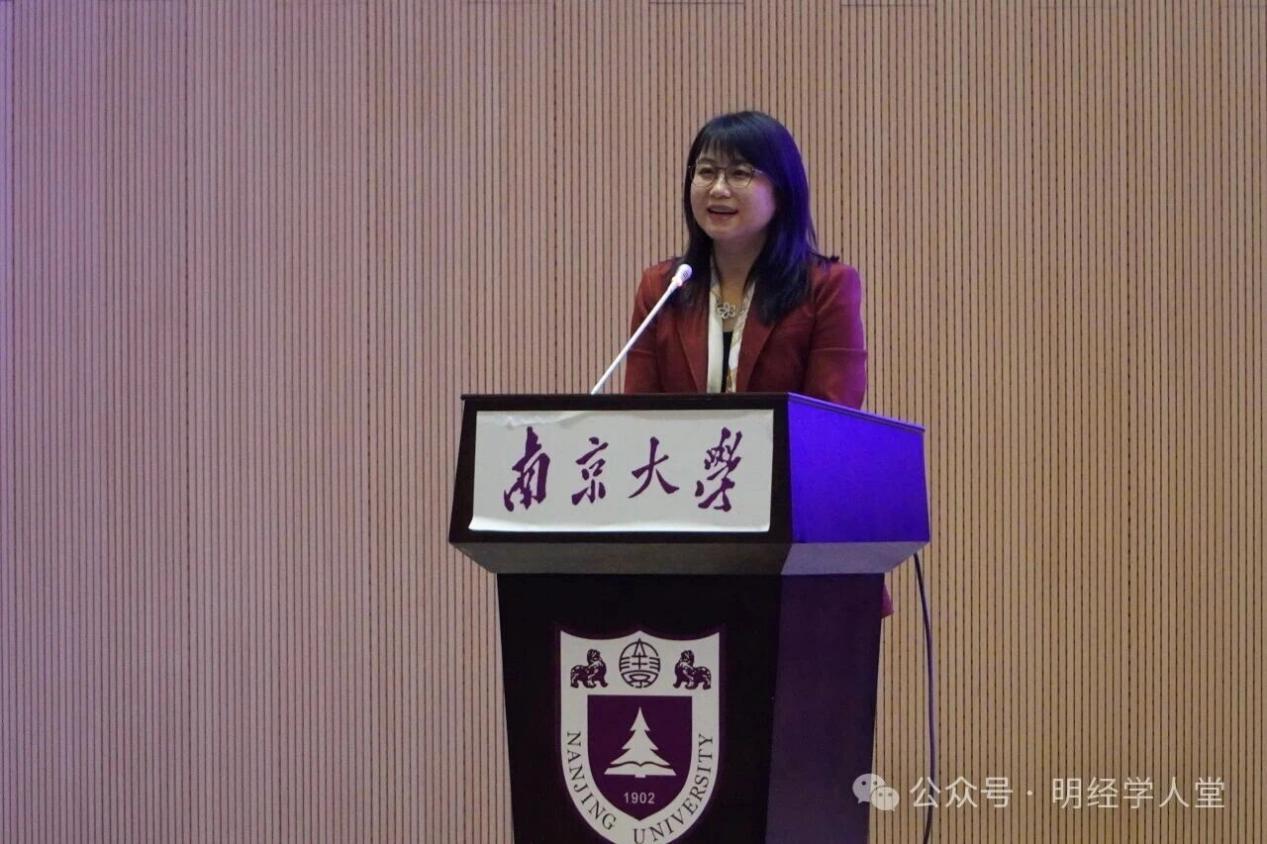
Professor Li Xiaoyu, Party Secretary of the NJU School of Journalism and Communication, spoke about the forum's response to humanistic concerns in the intelligent era. She reviewed the school's educational tradition and reiterated that human value must remain the core measure in communication.
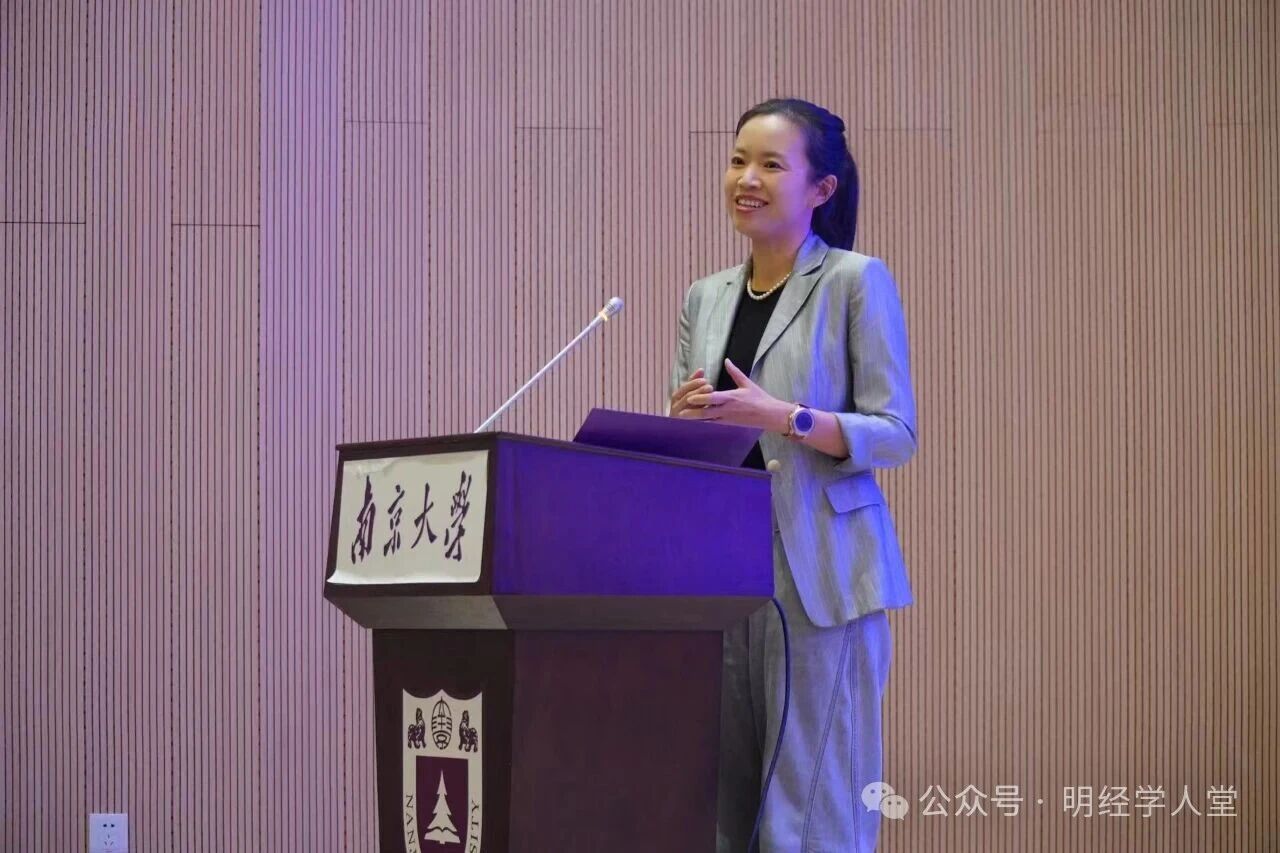
Professor He Jing, Director of the UCAS Center for Political Communication Research, reflected on the forum's 12-year history and introduced the newly launched journal Political Communication Research.
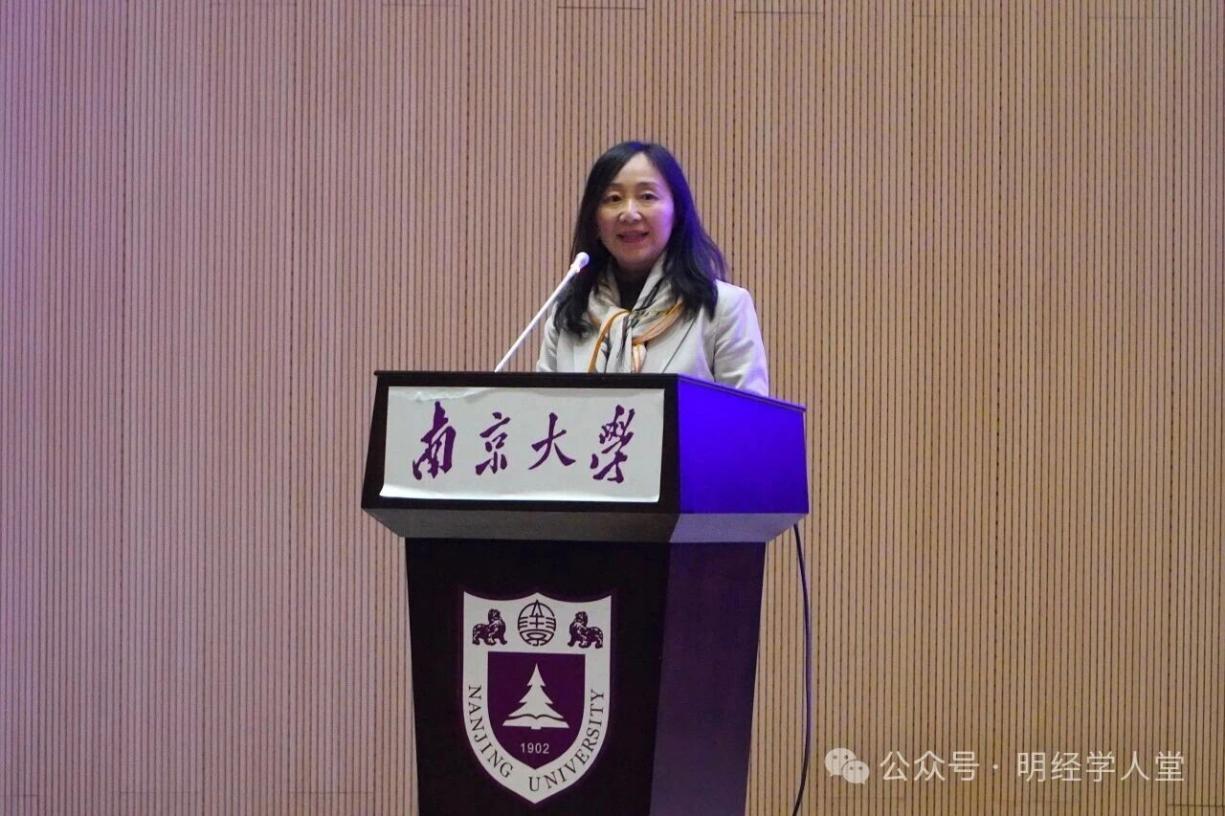
Professor Guo Miao, Vice Dean of the School of Journalism and Communication at Northwest University of Political Science and Law, delivered a speech as the representative of the next forum's host. She congratulated the organizers and invited scholars to the 13th forum in Xi'an.
Keynote Speeches
Following the opening ceremony, the keynote speech session, chaired by Professor Qi Yalin, Executive Dean of the UCAS School of Journalism and Communication, featured presentations from six distinguished scholars:
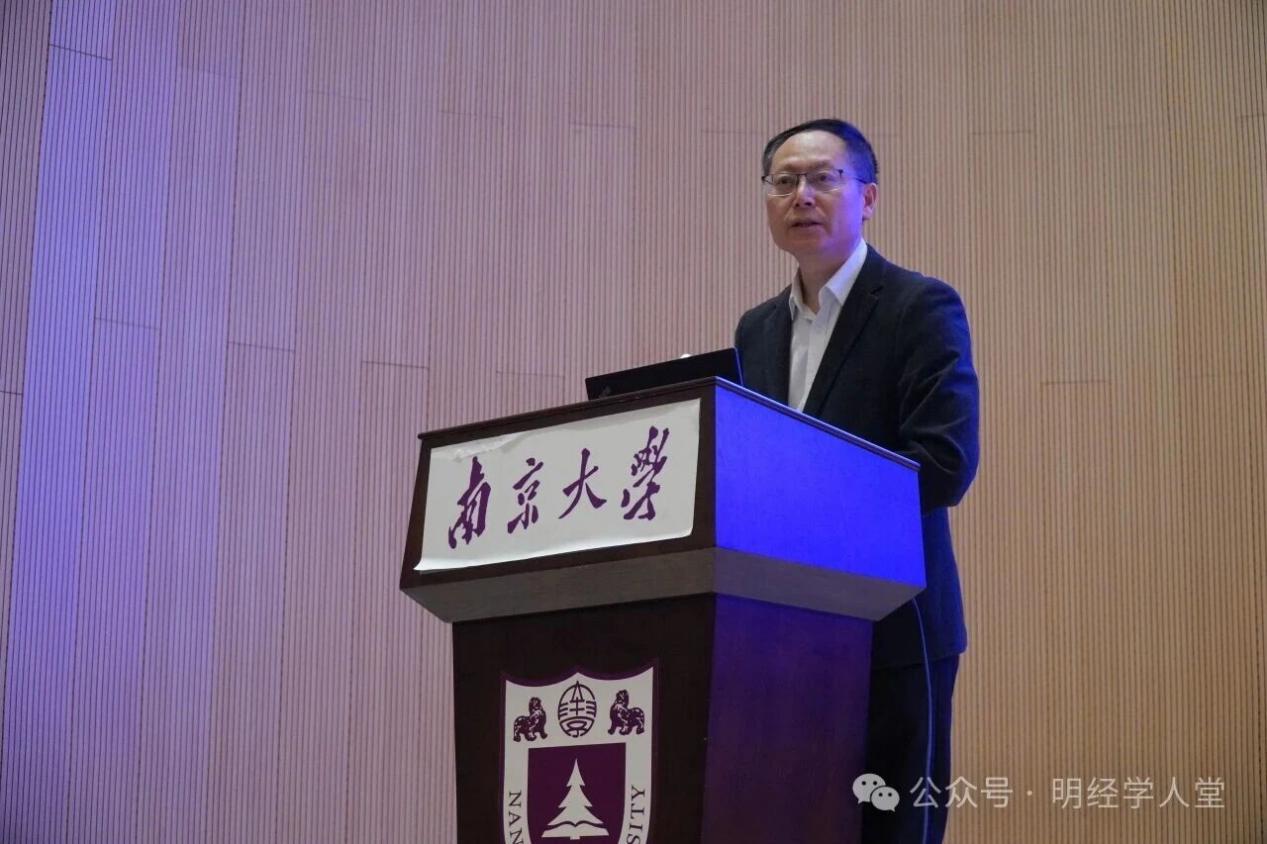
Professor Hu Zhengrong discussed political strategy, topics, and values as core elements in international communication.
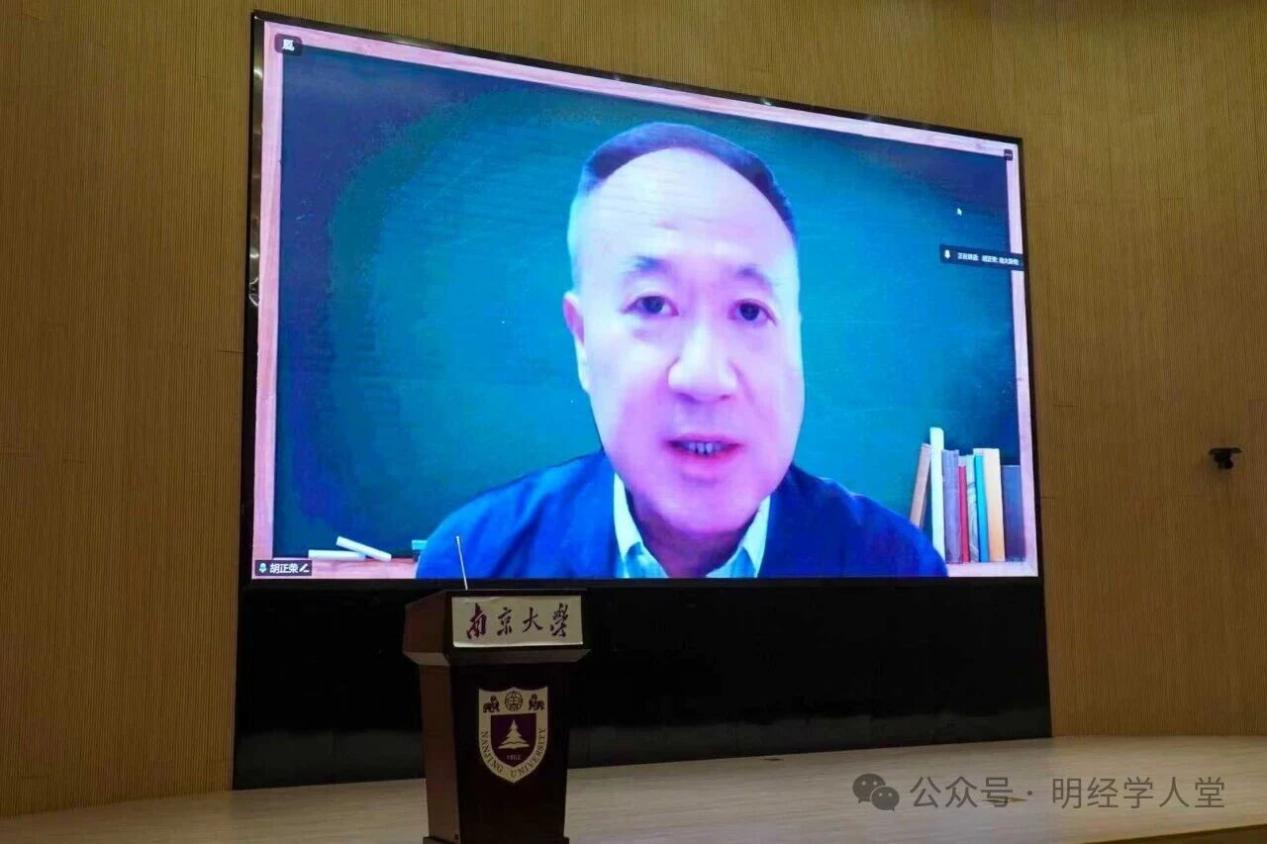
Professor Shi Anbin from Tsinghua University analyzed the "Global South" and "interpersonal" turns in the global political communication landscape.
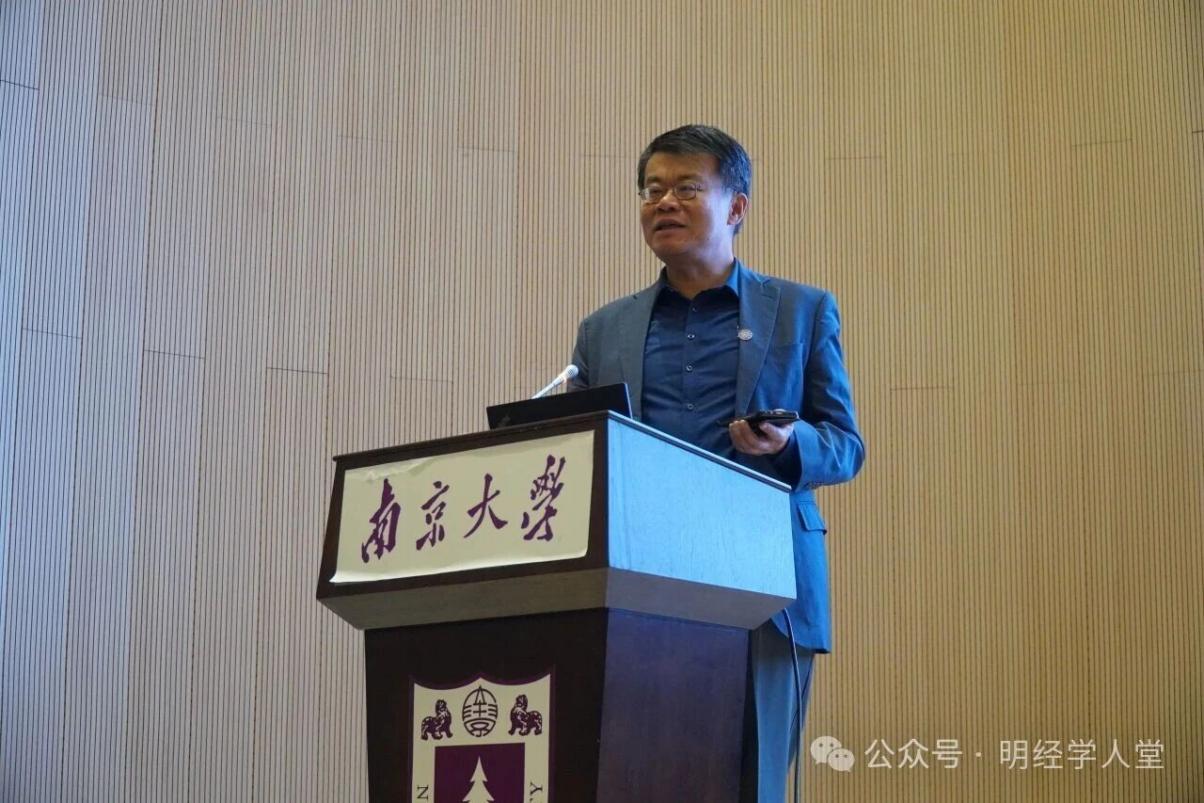
Professor Hu Yong from Peking University explored the possibility of an "embodied and relational humanism" in the age of AI.
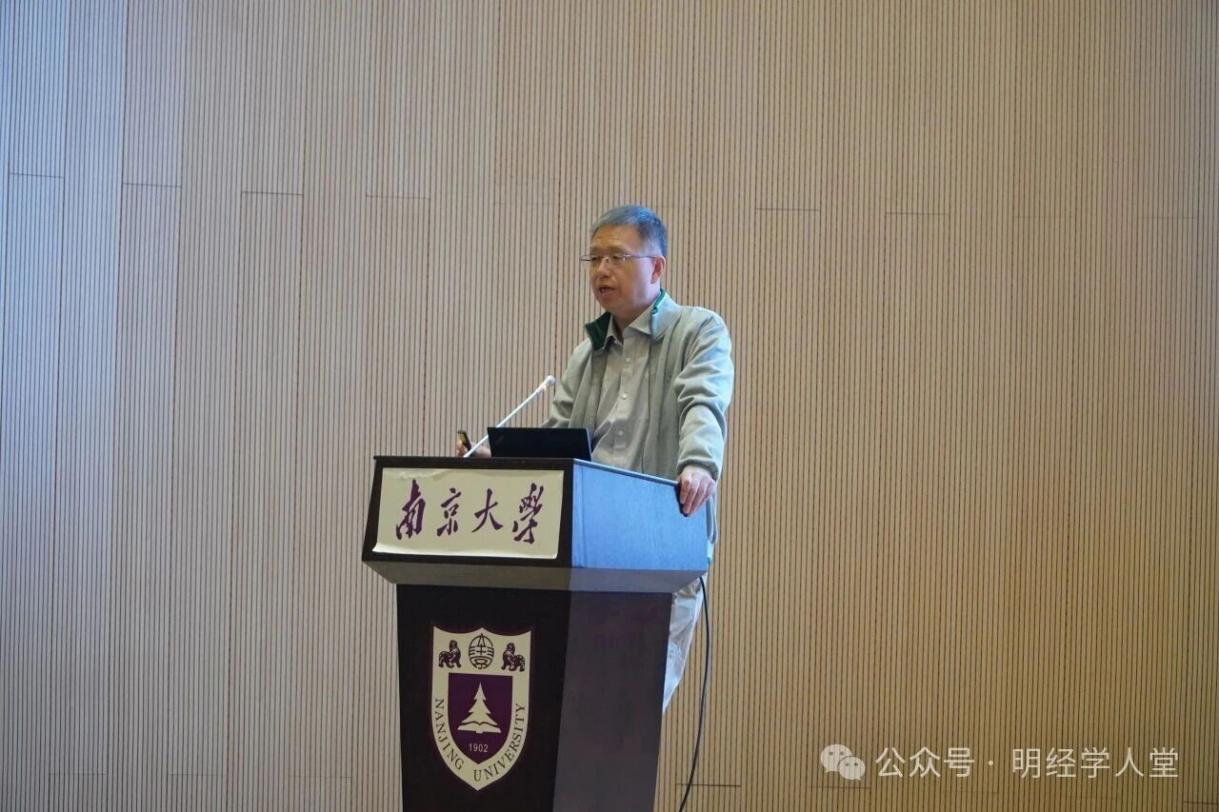
Professor Zhu Chunyang from Fudan University examined the role of mainstream media within digital communication networks.
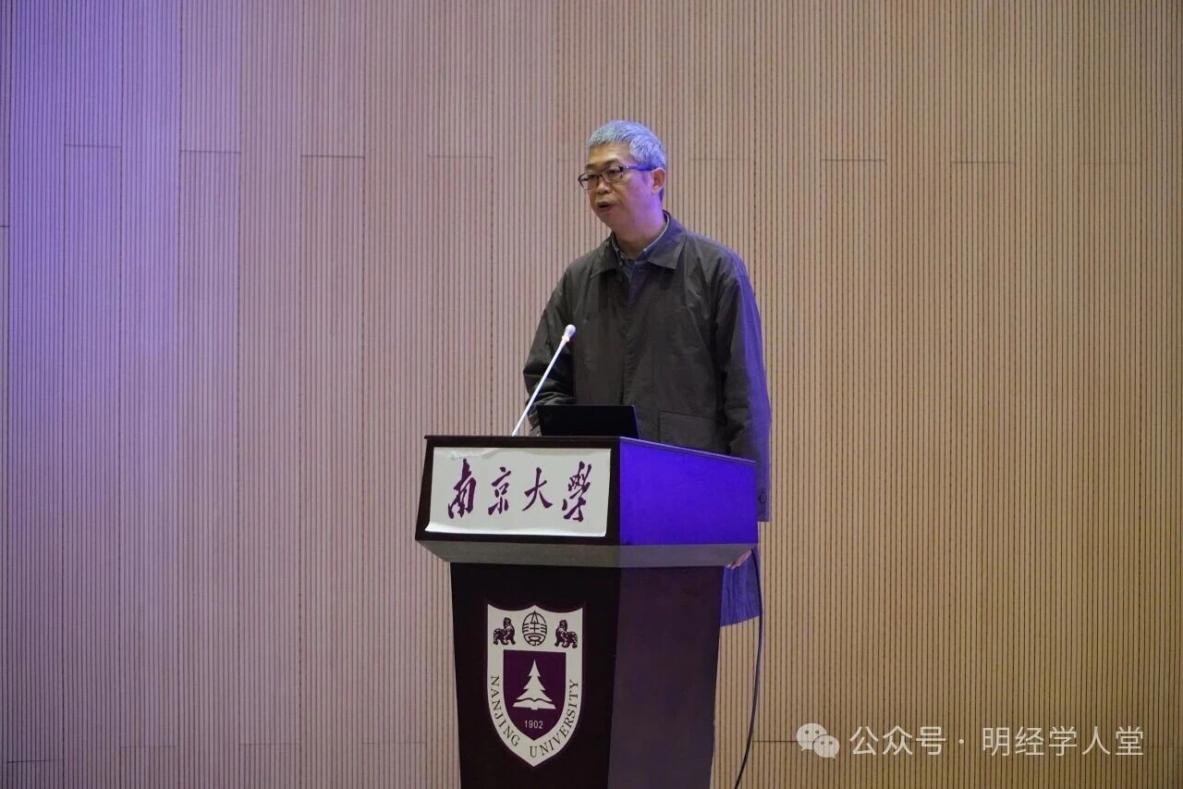
Professor Chen Xianhong from Huazhong University of Science and Technology proposed the concept of "counter-algorithm public relations" to rebuild relationships between the government, media, and the public.
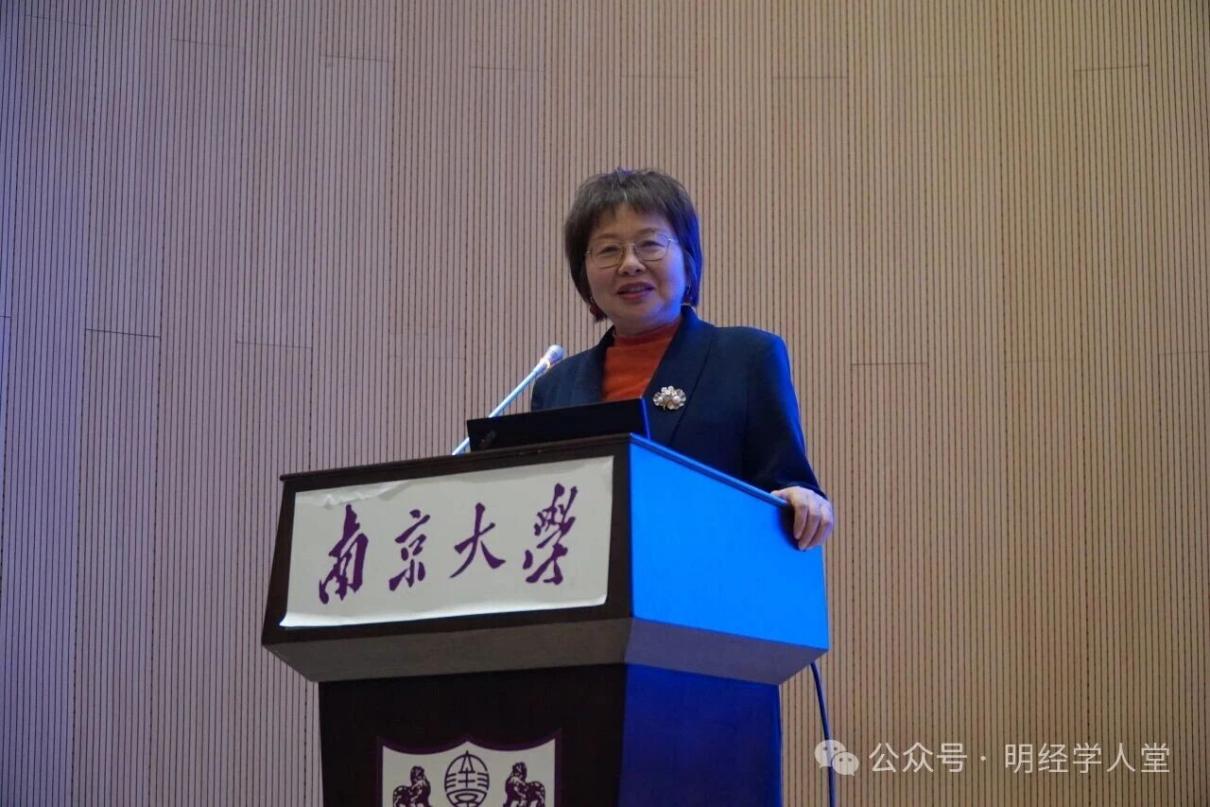
Professor Sun Xinru from NJU suggested a new "Spatial and Temporal Framework" as a methodological approach for research in the intelligent media era.
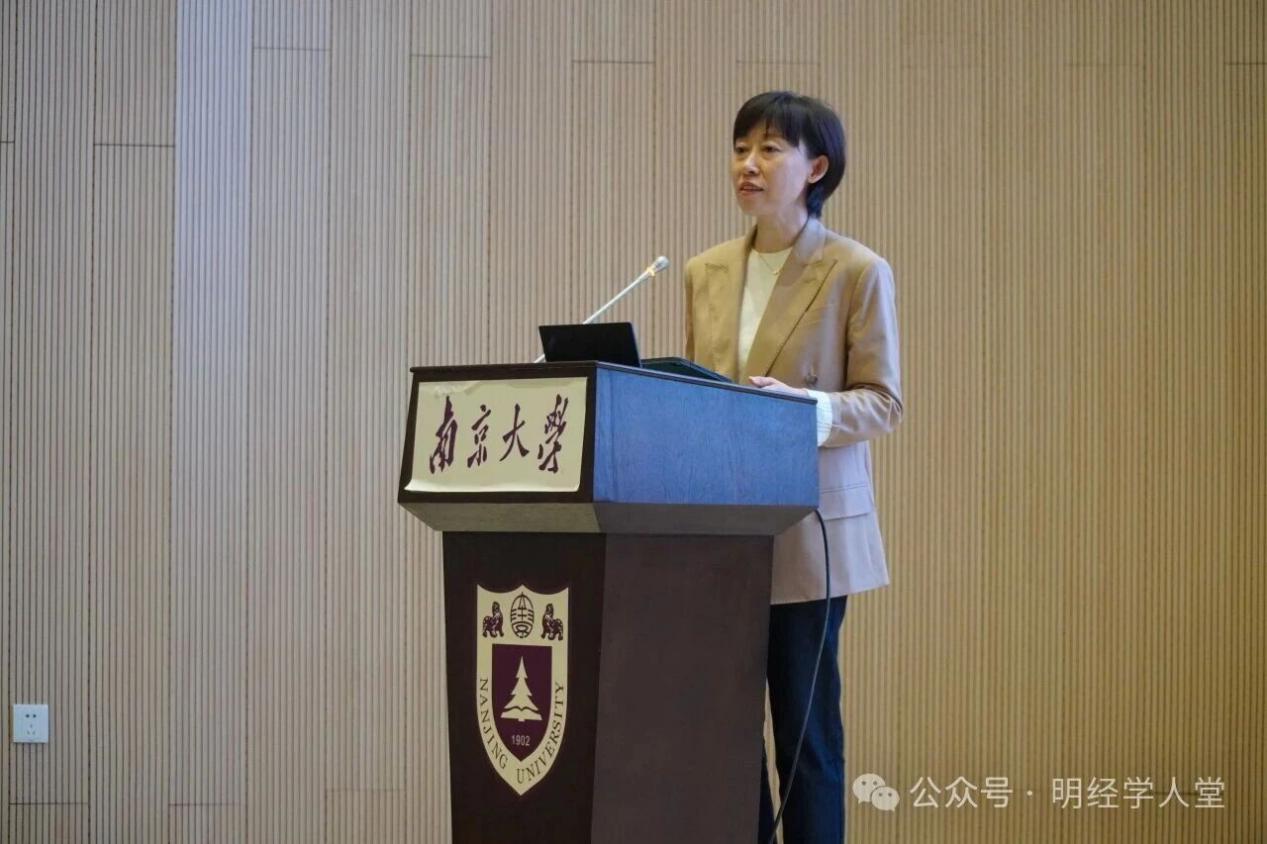
Parallel Sub-forums and Closing Ceremony
In the afternoon, scholar sub-forums conducted in-depth thematic discussions on topics including "Ethical Risks and Governance of Intelligent Technology", "Theoretical Construction and Practice of Digital Political Communication", "Digital Media and the Construction of State-Society Relations" and "Techno-politics and Cultural Identity in the Global Communication Landscape".
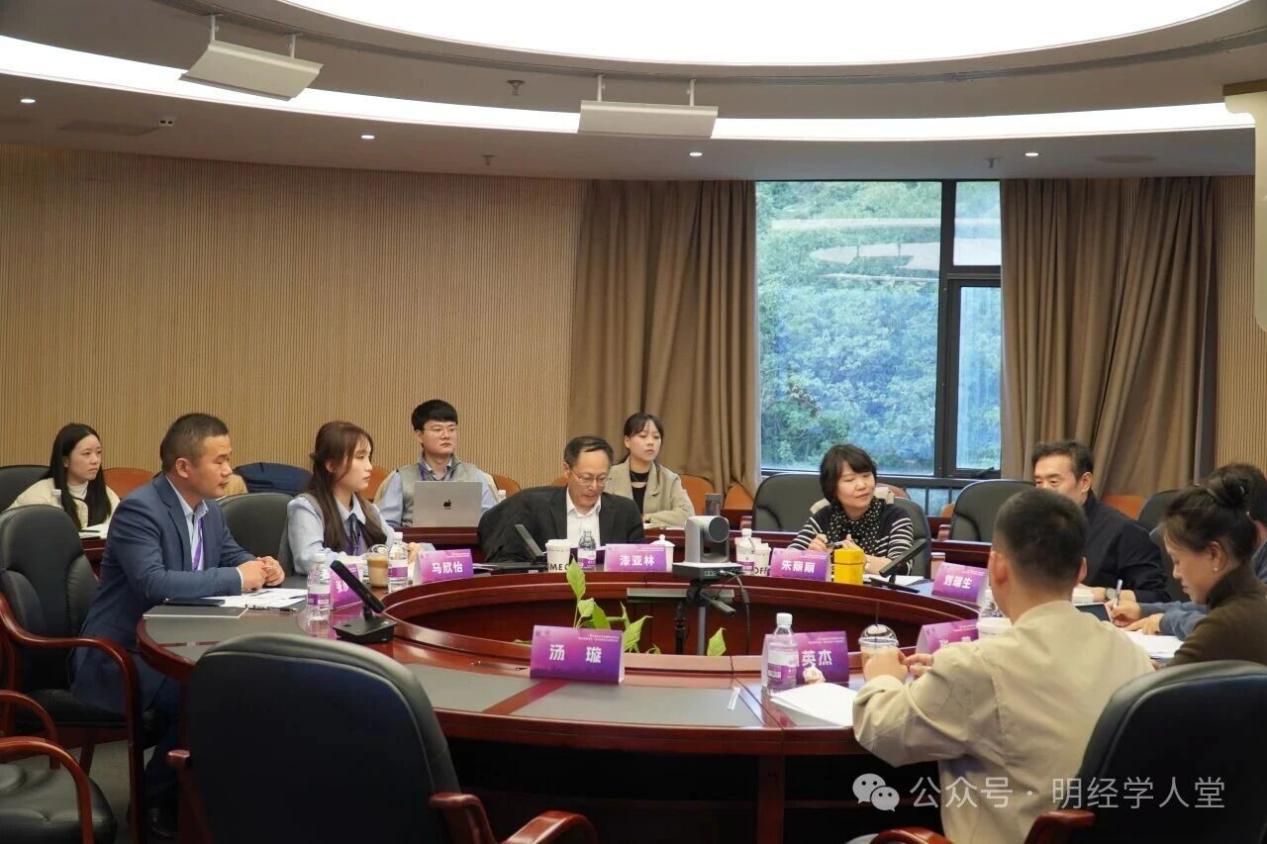
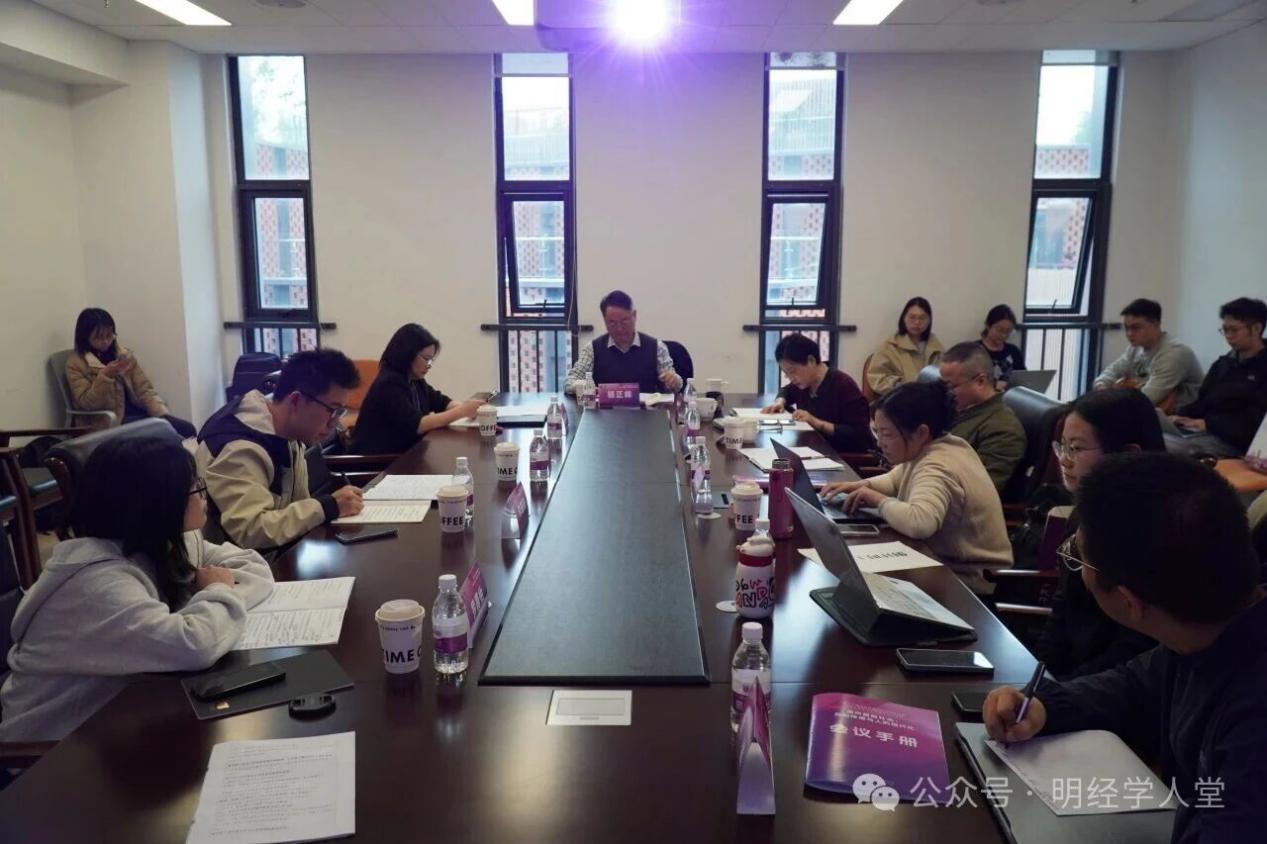
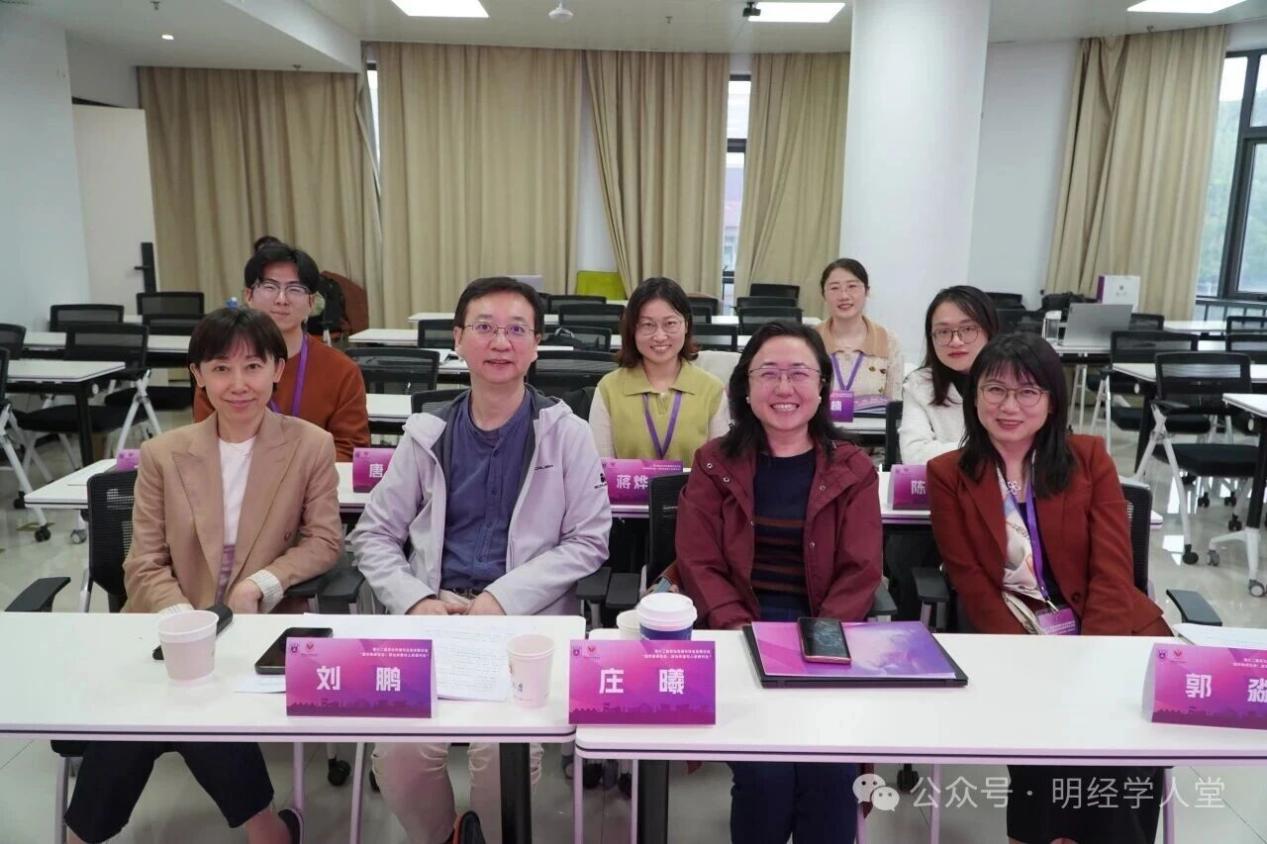
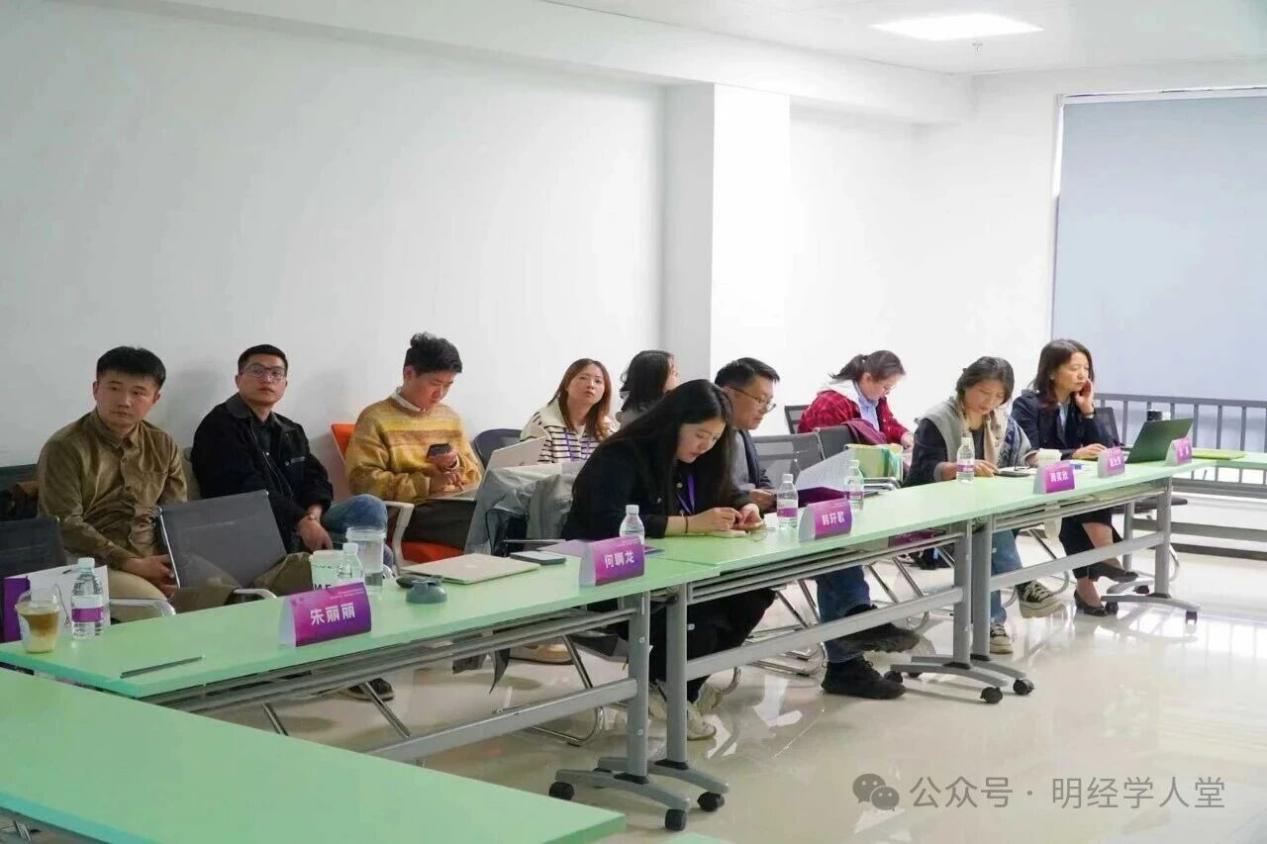
Simultaneously, four graduate student sub-forums, where participating students discussed "Intelligent Communication and Innovation in Political Communication Models", "Political Communication and the Construction of Public Rationality in an Intelligent Society", "Restructuring of the Intelligent Ecosystem and Risk Governance in Political Communication", and "Intelligent Technology and Human Modernization".
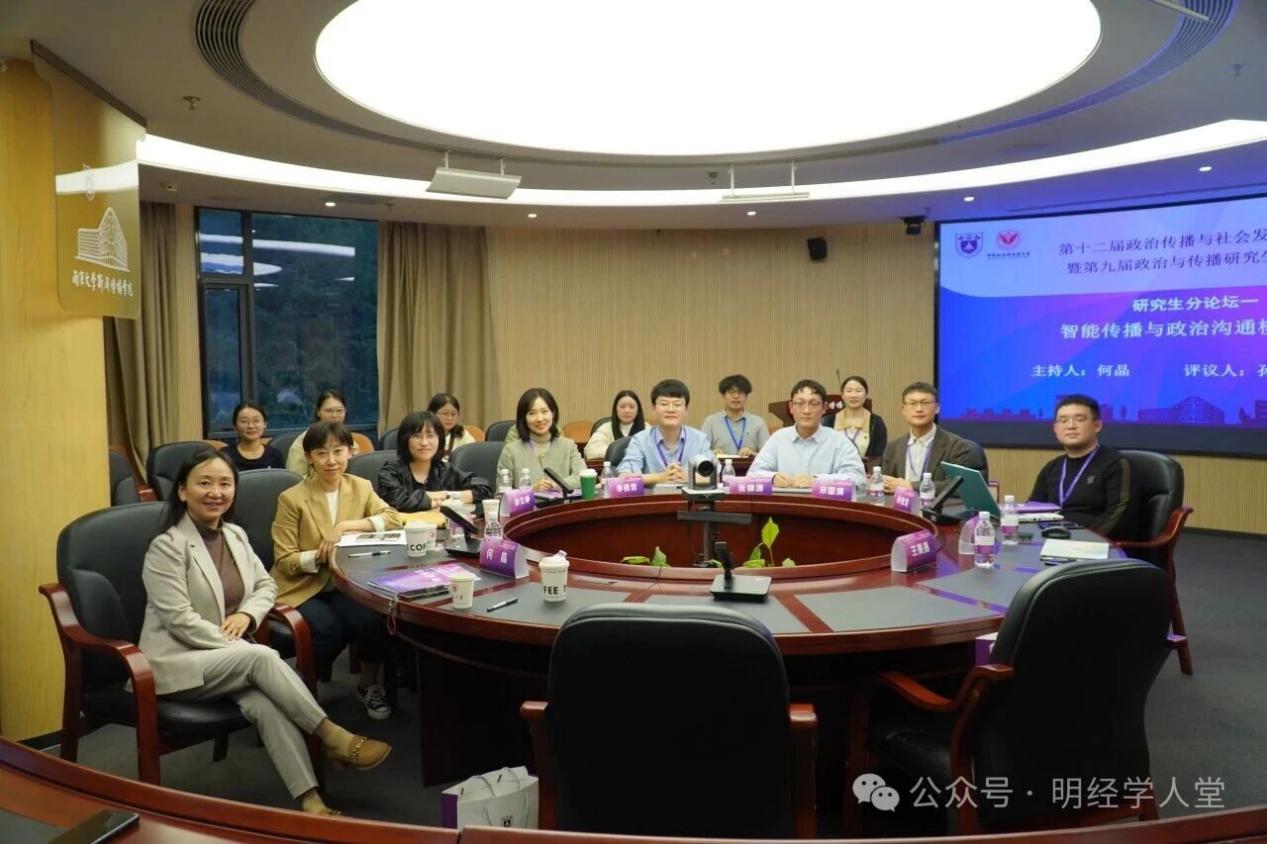
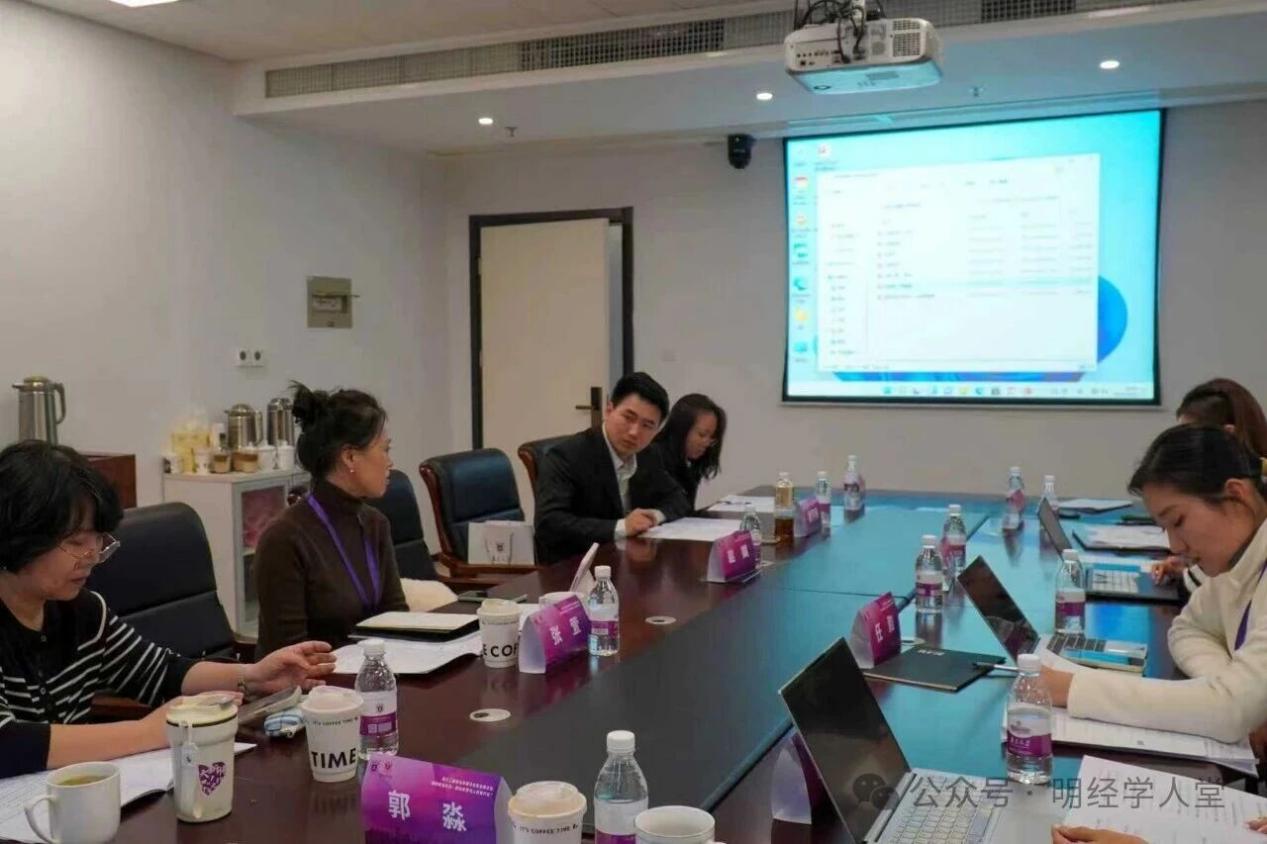
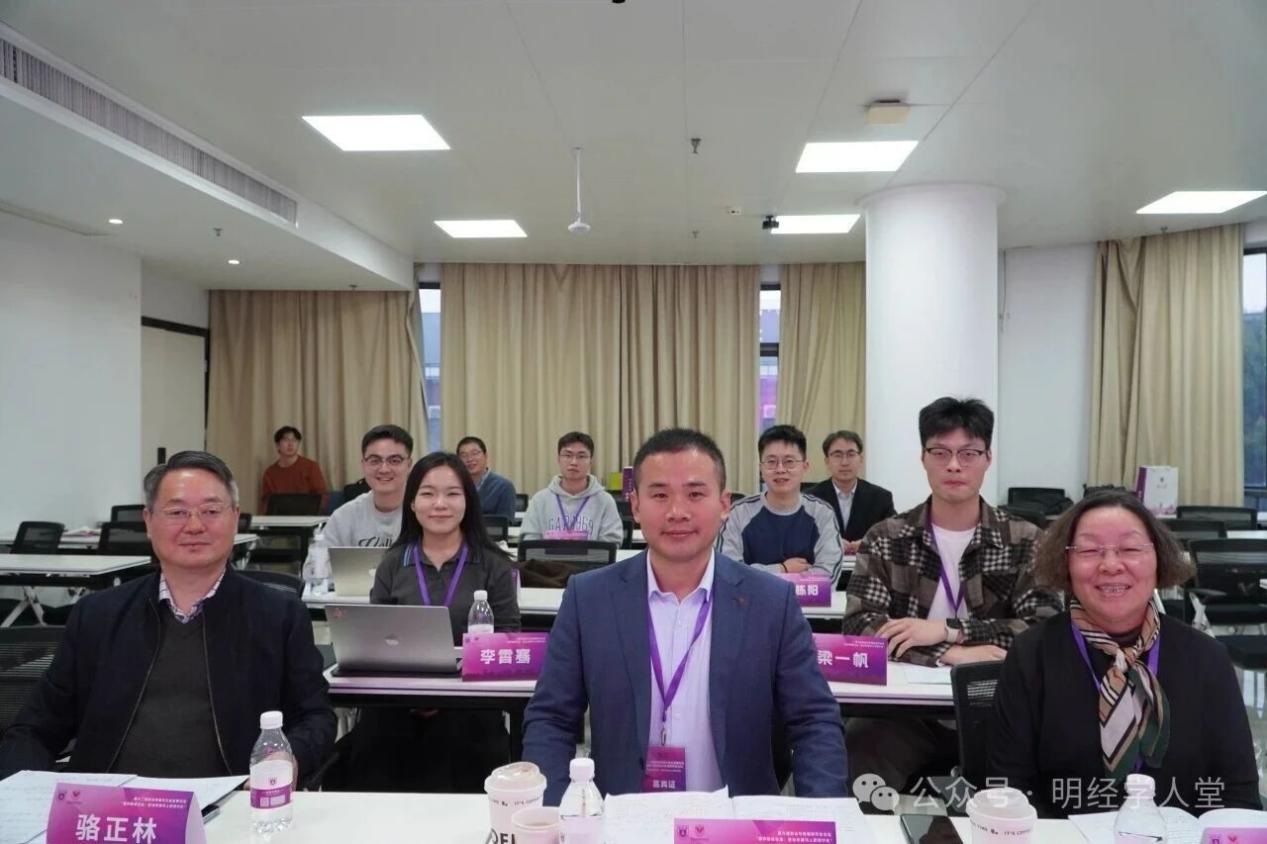
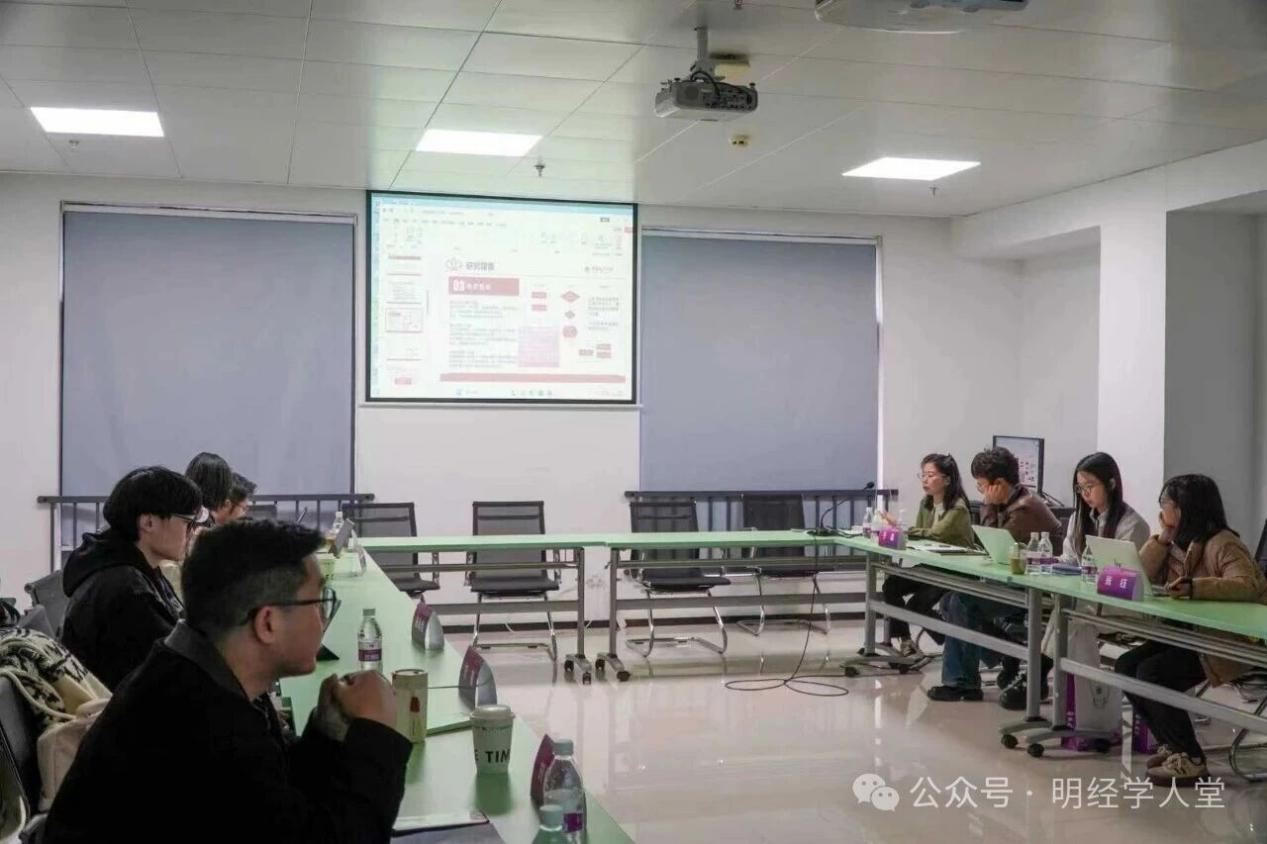
The closing ceremony was chaired by Professor He Jing. Professor At the closing ceremony, Professor Luo Zhenglin from the School of Journalism and Communication of Nanjing University announced the list of doctoral award winners. Vice Dean Gao Shanbing from the School of Journalism and Communication of Nanjing Normal University declared the list of master’s award winners, followed by an award presentation.
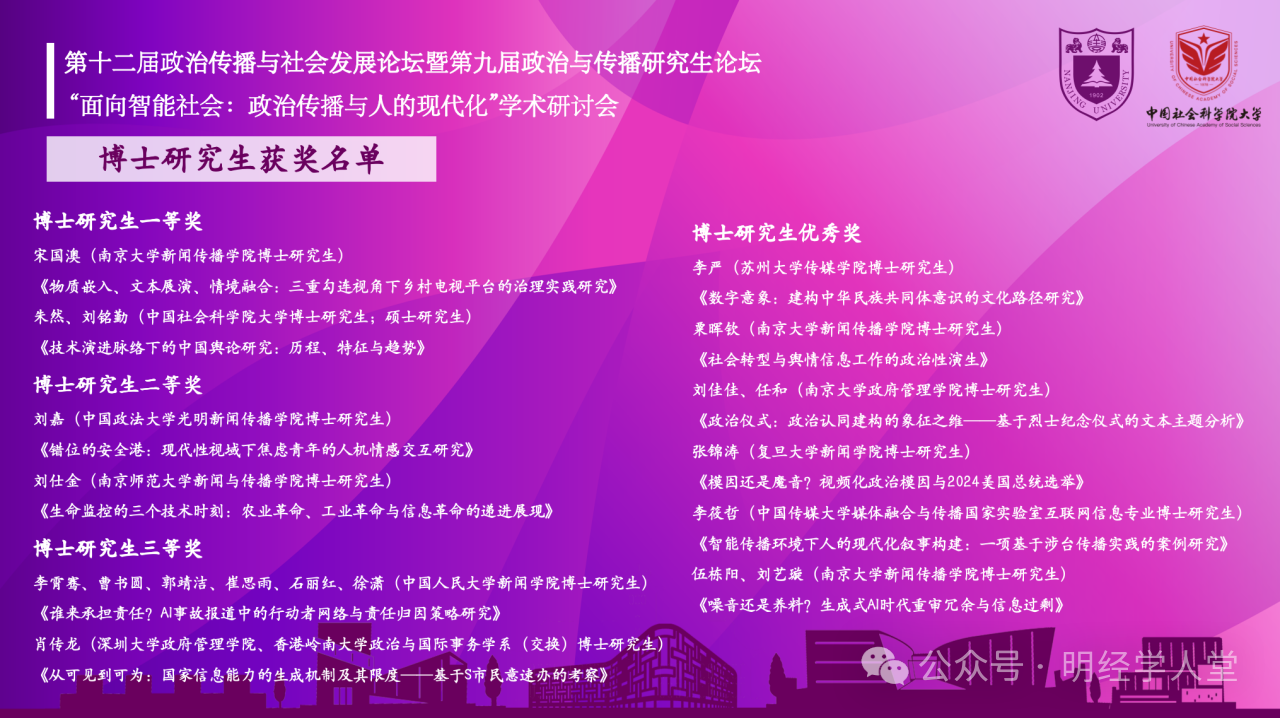
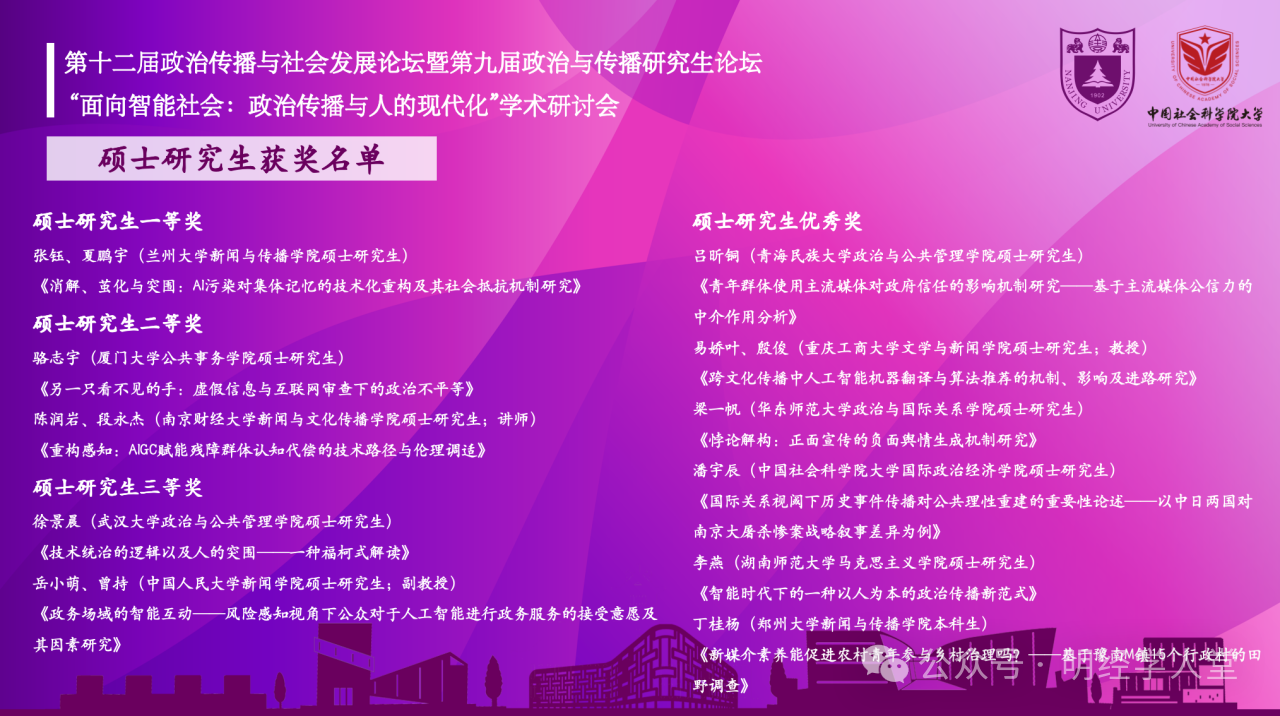
Grounded in the historical context of Chinese modernization and centered on human development, the event fostered forward-looking exploration of the interaction between intelligent technology and political communication, contributing academic insights to build a theoretical system of political communication with Chinese characteristics and defining features of the era.